Buy meta-noia.eu ?
We are moving the project
meta-noia.eu .
Are you interested in purchasing the domain
meta-noia.eu ?
domain@kv-gmbh.de · 0541-91531010
Buy meta-noia.eu ?
What is the difference between Present Progressive and Future Progressive?
The Present Progressive tense is used to describe an action that is currently happening at the time of speaking. For example, "I am studying for my exam." On the other hand, the Future Progressive tense is used to describe an action that will be ongoing at a specific point in the future. For example, "I will be studying for my exam tomorrow." In summary, the Present Progressive tense is for actions currently happening, while the Future Progressive tense is for actions that will be happening at a specific point in the future. **
What is the difference between Present Perfect Progressive and Past Perfect Progressive?
The Present Perfect Progressive is used to indicate an action that started in the past and is still ongoing or has just been completed. It is formed with the present tense of "have been" or "has been" and the present participle of the main verb. For example, "I have been working on this project for two hours." On the other hand, the Past Perfect Progressive is used to indicate an action that was ongoing in the past and was still ongoing or had just been completed before another action in the past. It is formed with the past tense of "had been" and the present participle of the main verb. For example, "She had been studying for hours before she finally took a break." In summary, the main difference between the two tenses is the time frame they refer to - the Present Perfect Progressive refers to ongoing actions from the past up to the present, while the Past Perfect Progressive refers to ongoing actions in the past up to a specific point in the past. **


Similar search terms for Difference
Top-Angebote
Products related to Difference:
-
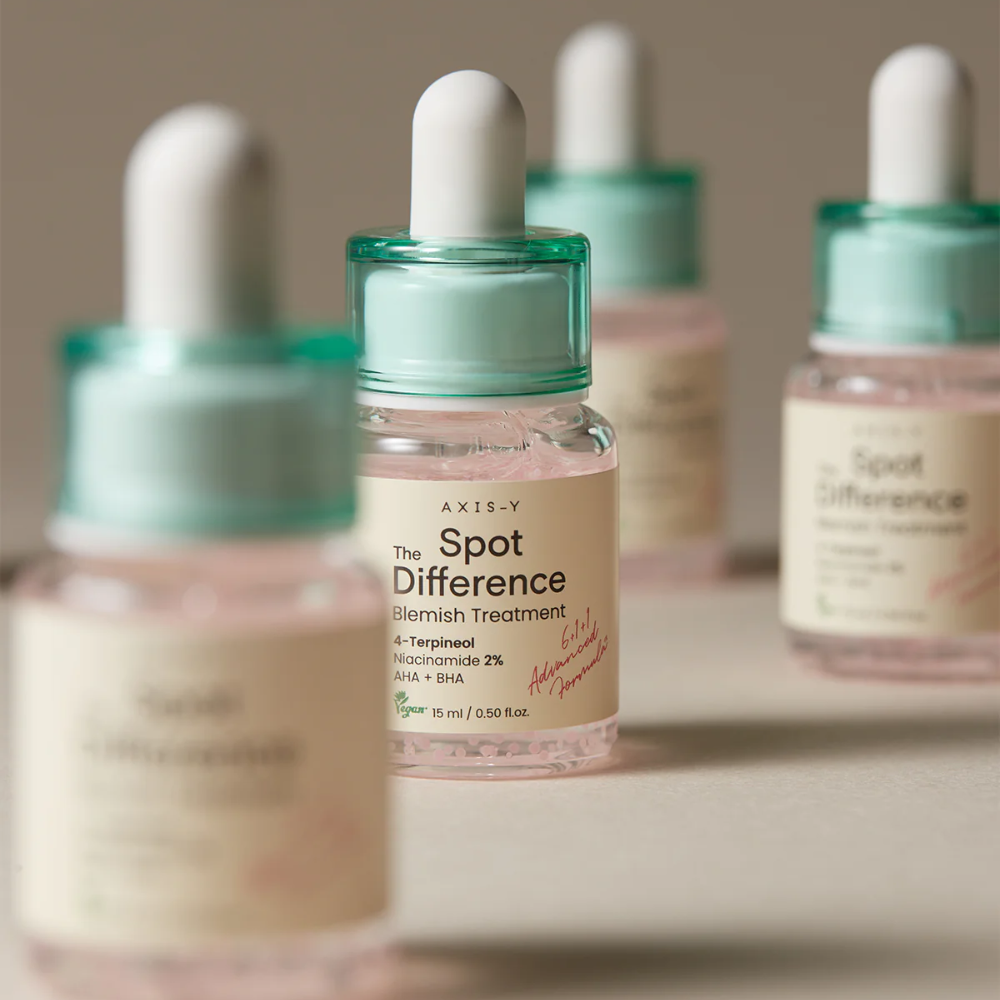
Axis Spot The Difference Facial Blemish Treatment 15mLA skin-care product for oily or blemish-prone skin. Spot The Difference Blemish Treatment is expertly formulated for acne-prone, oily, and sensitive skin, providing effective relief from breakouts and blemishes. This light gel texture glides onto the skin, delivering hydration while restoring the skin barrier.15,32 £*Shipping: 4,22 £Secure redirect to the provider
-
Thirstystone Make a Difference 4 Pack Tumbled Tile CoasterABSORBENT STONE-Coasters arrive as a set of 4 Coasters. Each Coaster is constructed of absorbent stone that continuously absorbs drips and condensation from your beverages while preventing stains and rings on your furniture.29,99 $*Shipping: 0,00 $Secure redirect to the provider
-
Farmstay Visible Difference hand cream with collagen 100 mlFarmstay Visible Difference, 100 ml, Hand Creams for Women, Manicured hands are your calling card. This cream from FarmstayVisible Difference takes care of their perfectly soft and hydrated skin. It provides your hands with long-lasting nourishment as well as softening them and protecting against dryness, so they stay beautiful all day long. Characteristics: prevents skin from drying out reduces the signs of skin ageing leaves the skin soft and smooth is absorbed quickly How to use: Apply hand cream as needed and massage until the cream is absorbed.2,20 £*Shipping: 3,99 £Secure redirect to the provider
-
Elisabeth Arden Visible Difference Special Moisture Formula Emulsion for Body Care 300mLA facial cream for dry or dehydrated skin. It a luxurious body moisturizer designed to provide intense hydration and nourishment. Intense hydration for dry skin. Improves skin texture and elasticity. Quick-absorbing, non-greasy formula. Suitable for all skin types. Shea Butter: Deeply moisturizes and nourishes the skin.16,77 £*Shipping: 7,11 £Secure redirect to the provider


-
What is the difference between Simple and Progressive?
The main difference between Simple and Progressive is the way they express the timing of an action. Simple tense is used to describe habitual actions or general truths, while Progressive tense is used to describe actions that are ongoing or in progress at a specific point in time. In Simple tense, the verb remains in its base form, while in Progressive tense, the verb is formed with a "to be" verb + the present participle (-ing form) of the main verb. **
-
What is the difference between degressive and progressive?
The difference between degressive and progressive is in the way the rate of something changes over time or with increasing amounts. Degressive refers to a decreasing rate, where the amount decreases as the base increases. Progressive, on the other hand, refers to an increasing rate, where the amount increases as the base increases. In terms of taxation, a degressive tax system means that the tax rate decreases as income increases, while a progressive tax system means that the tax rate increases as income increases. **
-
What is the difference between the Past Progressive and the Past Perfect Progressive?
The Past Progressive tense is used to describe an ongoing action that was happening in the past. It is formed by using the past tense of the verb "to be" (was/were) and the present participle of the main verb (e.g. "was running"). On the other hand, the Past Perfect Progressive tense is used to describe a continuous action that was happening in the past before another action took place. It is formed by using the past perfect tense of the verb "to be" (had been) and the present participle of the main verb (e.g. "had been running"). In summary, the Past Progressive describes an ongoing action in the past, while the Past Perfect Progressive describes a continuous action that had been happening before another action in the past. **
-
What is the difference between automatic and conscious/unconscious?
Automatic processes are those that occur without conscious awareness or effort, such as breathing or reflexes. Conscious or unconscious processes, on the other hand, are those that require deliberate attention and effort, such as problem-solving or decision-making. While automatic processes are often involuntary and occur without our awareness, conscious or unconscious processes involve our deliberate attention and can be influenced by our thoughts and intentions. **

What aspects and topics make the difference in a more mindful exchange?
A more mindful exchange is characterized by open-mindedness, active listening, empathy, and respect. It involves discussing topics that are important to both parties, and being willing to consider different perspectives. Mindful exchanges also involve being present in the moment, and being aware of one's own emotions and reactions. Additionally, topics that promote self-reflection, personal growth, and understanding of others can make a difference in a more mindful exchange. **
What is the difference between narrative level and meta level?
The narrative level refers to the primary story being told, including the characters, plot, and setting. It is the surface level of the story that the audience experiences directly. On the other hand, the meta level refers to the layer of storytelling that comments on or reflects upon the primary narrative. It often involves breaking the fourth wall, self-referential elements, or addressing the audience directly. In essence, the meta level is a higher level of storytelling that adds depth and complexity to the narrative. **
Top-Angebote
Products related to Difference:
-
Elisabeth Arden Visible Difference Hydragel 75ml 75mlCombat dry skin once and for all with the Visible Difference Replenishing HydraGel Complex. This lightweight, oil-free gel cream melts into skin to deliver an immediate cooling effect and provide continuous hydration for a full 24 hours. Formulated with Hyaluronic Acid and botanicals like Tree Mushroom Extract, Visible Difference Replenishing HydraGel evens skin tone and texture, minimizes the appearance of fine lines and wrinkles, and leaves skin looking moisturised, smooth and glowing. This oil-free water gel is formulated to plump skin with 24-hour hydration and refine the look of pores. Size: 75ml13,70 £*Shipping: 3,99 £Secure redirect to the provider
-
Farmstay Visible Difference hand cream 100 mlFarmstay Visible Difference, 100 ml, Hand Creams for Women, Farmstay Visible Difference cream moisturises your hands perfectly and gives them the nourishment they need. Characteristics: is absorbed quickly hydrates and nourishes the skin leaves the skin soft and smooth How to use: Apply hand cream as needed and massage until the cream is absorbed.2,00 £*Shipping: 3,99 £Secure redirect to the provider
-
Axis Spot The Difference Facial Blemish Treatment 15mLA skin-care product for oily or blemish-prone skin. Spot The Difference Blemish Treatment is expertly formulated for acne-prone, oily, and sensitive skin, providing effective relief from breakouts and blemishes. This light gel texture glides onto the skin, delivering hydration while restoring the skin barrier.15,32 £*Shipping: 4,22 £Secure redirect to the provider
-
Thirstystone Make a Difference 4 Pack Tumbled Tile CoasterABSORBENT STONE-Coasters arrive as a set of 4 Coasters. Each Coaster is constructed of absorbent stone that continuously absorbs drips and condensation from your beverages while preventing stains and rings on your furniture.29,99 $*Shipping: 0,00 $Secure redirect to the provider
-
What is the difference between Present Progressive and Future Progressive?
The Present Progressive tense is used to describe an action that is currently happening at the time of speaking. For example, "I am studying for my exam." On the other hand, the Future Progressive tense is used to describe an action that will be ongoing at a specific point in the future. For example, "I will be studying for my exam tomorrow." In summary, the Present Progressive tense is for actions currently happening, while the Future Progressive tense is for actions that will be happening at a specific point in the future. **
-
What is the difference between Present Perfect Progressive and Past Perfect Progressive?
The Present Perfect Progressive is used to indicate an action that started in the past and is still ongoing or has just been completed. It is formed with the present tense of "have been" or "has been" and the present participle of the main verb. For example, "I have been working on this project for two hours." On the other hand, the Past Perfect Progressive is used to indicate an action that was ongoing in the past and was still ongoing or had just been completed before another action in the past. It is formed with the past tense of "had been" and the present participle of the main verb. For example, "She had been studying for hours before she finally took a break." In summary, the main difference between the two tenses is the time frame they refer to - the Present Perfect Progressive refers to ongoing actions from the past up to the present, while the Past Perfect Progressive refers to ongoing actions in the past up to a specific point in the past. **
-
What is the difference between Simple and Progressive?
The main difference between Simple and Progressive is the way they express the timing of an action. Simple tense is used to describe habitual actions or general truths, while Progressive tense is used to describe actions that are ongoing or in progress at a specific point in time. In Simple tense, the verb remains in its base form, while in Progressive tense, the verb is formed with a "to be" verb + the present participle (-ing form) of the main verb. **
-
What is the difference between degressive and progressive?
The difference between degressive and progressive is in the way the rate of something changes over time or with increasing amounts. Degressive refers to a decreasing rate, where the amount decreases as the base increases. Progressive, on the other hand, refers to an increasing rate, where the amount increases as the base increases. In terms of taxation, a degressive tax system means that the tax rate decreases as income increases, while a progressive tax system means that the tax rate increases as income increases. **
Similar search terms for Difference
-
Farmstay Visible Difference hand cream with collagen 100 mlFarmstay Visible Difference, 100 ml, Hand Creams for Women, Manicured hands are your calling card. This cream from FarmstayVisible Difference takes care of their perfectly soft and hydrated skin. It provides your hands with long-lasting nourishment as well as softening them and protecting against dryness, so they stay beautiful all day long. Characteristics: prevents skin from drying out reduces the signs of skin ageing leaves the skin soft and smooth is absorbed quickly How to use: Apply hand cream as needed and massage until the cream is absorbed.2,20 £*Shipping: 3,99 £Secure redirect to the provider
-
Elisabeth Arden Visible Difference Special Moisture Formula Emulsion for Body Care 300mLA facial cream for dry or dehydrated skin. It a luxurious body moisturizer designed to provide intense hydration and nourishment. Intense hydration for dry skin. Improves skin texture and elasticity. Quick-absorbing, non-greasy formula. Suitable for all skin types. Shea Butter: Deeply moisturizes and nourishes the skin.16,77 £*Shipping: 7,11 £Secure redirect to the provider
-
Elisabeth Arden Visible Difference Special Moisture Formula For Body Care 300 mlElizabeth Arden Visible Difference, 300 ml, Body lotions and creams unisex, In addition to regular cleansing, your face and body deserve skin care to prevent dryness occurring. Elizabeth Arden Visible Difference body lotion will ensure sufficient hydration, nourish skin, and help lock in necessary moisture. Your skin will be supple, velvety smooth, and protected from the signs of dryness, such as feelings of tension and discomfort or the formation dry flakey skin. Characteristics: hydrates skin deeply remedies dry skin leaves skin velvety soft to the touch How to use: Apply the necessary amount of the product to clean skin, ideally after a shower or bath. Massage in well.15,60 £*Shipping: 3,99 £Secure redirect to the provider
-
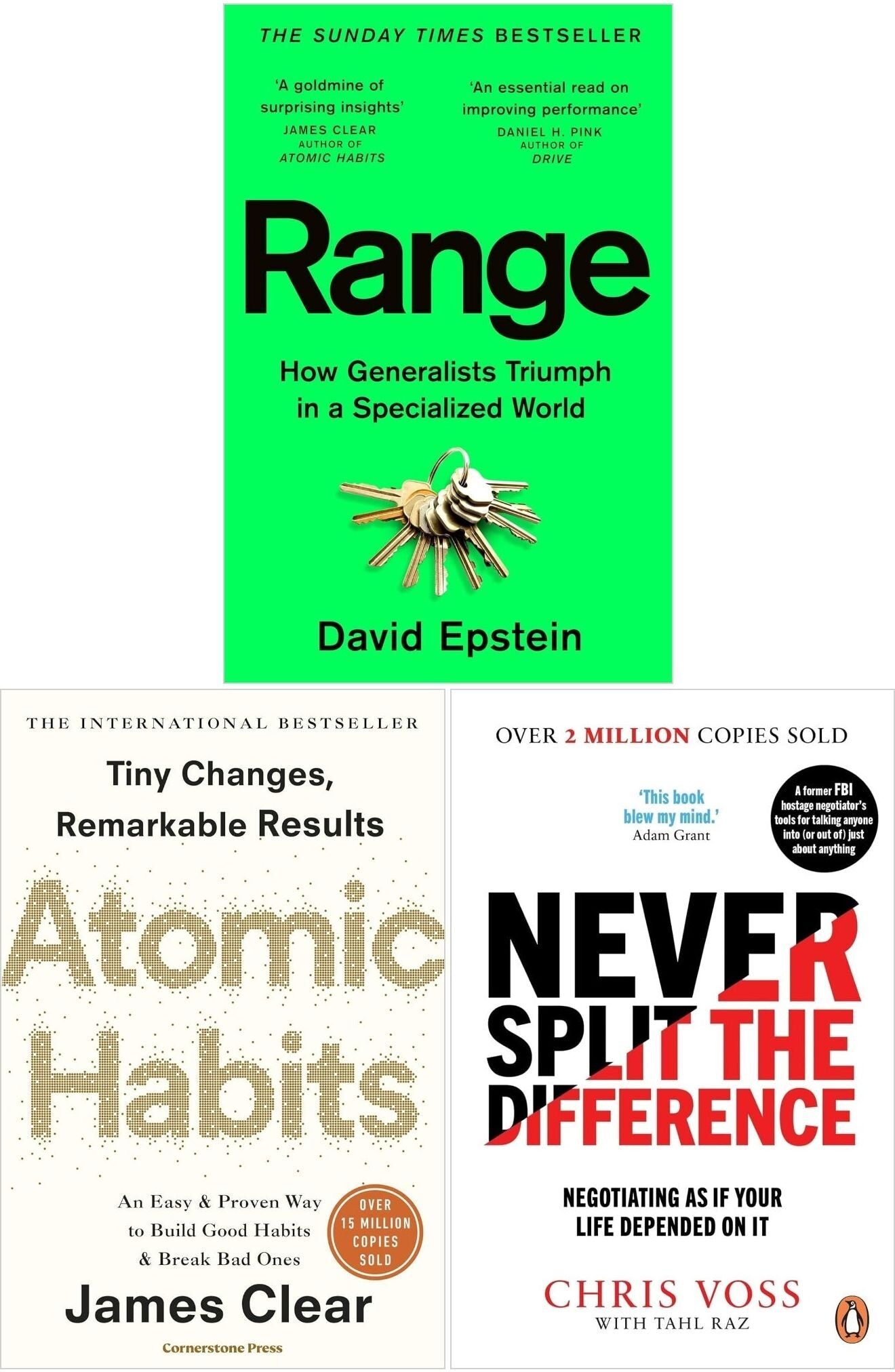
Penguin Range, Never Split the Difference and Atomic Habits 3 Books SetRange In this landmark book, David Epstein shows you that the way to succeed is by sampling widely, gaining a breadth of experiences, taking detours, experimenting relentlessly, juggling many interests – in other words, by developing range. Studying the world's most successful athletes, artists, musicians, inventors and scientists, Epstein demonstrates why in most fields – especially those that are complex and unpredictable – generalists, not specialists are primed to excel. No matter what you do, where you are in life, whether you are a teacher, student, scientist, business analyst, parent, job hunter, retiree, you will see the world differently after you've read Range. You'll understand better how we solve problems, how we learn and how we succeed. You'll see why failing a test is the best way to learn and why frequent quitters end up with the most fulfilling careers. Never Split the Difference After a stint policing the rough streets of Kansas City, Missouri, Chris Voss joined the FBI, where his career as a kidnapping negotiator brought him face-to-face with bank robbers, gang leaders and terrorists. Never Split the Difference takes you inside his world of high-stakes negotiations, revealing the nine key principles that helped Voss and his colleagues succeed when it mattered the most - when people's lives were at stake. Rooted in the real-life experiences of an intelligence professional at the top of his game, Never Split the Difference will give you the competitive edge in any discussion. Atomic Habits Transform your life with tiny changes in behaviour, starting now. People think that when you want to change your life, you need to think big. But world-renowned habits expert James Clear has discovered another way. He knows that real change comes from the compound effect of hundreds of small decisions: doing two push-ups a day, waking up five minutes early, or holding a single short phone call. He calls them atomic habits. In this ground-breaking book, Clears reveals exactly how these minuscule changes can grow into such life-altering outcomes.14,99 £*Shipping: 2,99 £Secure redirect to the provider
-
What is the difference between the Past Progressive and the Past Perfect Progressive?
The Past Progressive tense is used to describe an ongoing action that was happening in the past. It is formed by using the past tense of the verb "to be" (was/were) and the present participle of the main verb (e.g. "was running"). On the other hand, the Past Perfect Progressive tense is used to describe a continuous action that was happening in the past before another action took place. It is formed by using the past perfect tense of the verb "to be" (had been) and the present participle of the main verb (e.g. "had been running"). In summary, the Past Progressive describes an ongoing action in the past, while the Past Perfect Progressive describes a continuous action that had been happening before another action in the past. **
-
What is the difference between automatic and conscious/unconscious?
Automatic processes are those that occur without conscious awareness or effort, such as breathing or reflexes. Conscious or unconscious processes, on the other hand, are those that require deliberate attention and effort, such as problem-solving or decision-making. While automatic processes are often involuntary and occur without our awareness, conscious or unconscious processes involve our deliberate attention and can be influenced by our thoughts and intentions. **
-
What aspects and topics make the difference in a more mindful exchange?
A more mindful exchange is characterized by open-mindedness, active listening, empathy, and respect. It involves discussing topics that are important to both parties, and being willing to consider different perspectives. Mindful exchanges also involve being present in the moment, and being aware of one's own emotions and reactions. Additionally, topics that promote self-reflection, personal growth, and understanding of others can make a difference in a more mindful exchange. **
-
What is the difference between narrative level and meta level?
The narrative level refers to the primary story being told, including the characters, plot, and setting. It is the surface level of the story that the audience experiences directly. On the other hand, the meta level refers to the layer of storytelling that comments on or reflects upon the primary narrative. It often involves breaking the fourth wall, self-referential elements, or addressing the audience directly. In essence, the meta level is a higher level of storytelling that adds depth and complexity to the narrative. **
* All prices are inclusive of VAT and, if applicable, plus shipping costs. The offer information is based on the details provided by the respective shop and is updated through automated processes. Real-time updates do not occur, so deviations can occur in individual cases. ** Note: Parts of this content were created by AI.