Buy meta-noia.eu ?
We are moving the project
meta-noia.eu .
Are you interested in purchasing the domain
meta-noia.eu ?
domain@kv-gmbh.de · 0541-91531010
Buy meta-noia.eu ?
How can one detoxify microplastics?
One way to detoxify microplastics is through the use of activated charcoal. Activated charcoal has a porous structure that can trap and bind to toxins, including microplastics, and help remove them from the body. Another method is to consume foods and supplements that support the body's natural detoxification processes, such as antioxidants and fiber-rich foods. Additionally, reducing exposure to sources of microplastics, such as single-use plastics and contaminated water, can help prevent further accumulation in the body. **
How can microplastics be made visible?
Microplastics can be made visible through various methods such as using specialized equipment like microscopes or infrared spectroscopy to detect and analyze them. Additionally, researchers can use fluorescent dyes that bind specifically to microplastics, making them easier to see under certain lighting conditions. Another method is filtering water samples and examining the residue left behind, as microplastics will be captured on the filter. Overall, a combination of techniques is often used to effectively visualize and quantify microplastics in different environments. **


Similar search terms for Microplastics
Top-Angebote
Products related to Microplastics:
-
Hollywood Browzer Microplaner - Trio - Transformative TealReady to take your dermaplaning to the next level? The Hollywood Browzer Microplaner - Trio - Transformative Teal features an innovative design with unique microfine teeth surrounding an enhanced precision blade. Engineered specifically for a deeper, more intense exfoliation experience, this sophisticated design gets closer to the skin, offering a deeper and more intense dermaplaning treatment from the comfort of home.Not just a beauty accessory, this trio is the essential first step in any effective skincare routine. By effortlessly removing peach fuzz and dead skin cells, it creates a flawless canvas for makeup application and allows your favorite serums and moisturizers to absorb more effectively. Use anywhere from the face to the body with gentle strokes to experience instant radiance.Each tool in this convenient three-pack lasts up to 3 months, replacing expensive salon treatments with professional, long-lasting results. Perfect for maintaining smooth, glowing skin, this trio delivers incredible value while upgrading your weekly self-care ritual. Discover the ultimate at-home exfoliation and achieve a beautifully smooth, luminous complexion.Key BenefitsFeatures unique microfine teeth and an enhanced precision blade engineered to provide a deep, intense dermaplaning and exfoliation treatment - Acts as an essential first step in your skincare routine by effectively removing peach fuzz and dead skin cells for face and body - Delivers professional, salon-quality results at home with each long-lasting tool providing up to 3 months of use21,95 £*Shipping: 2,95 £Secure redirect to the provider
-
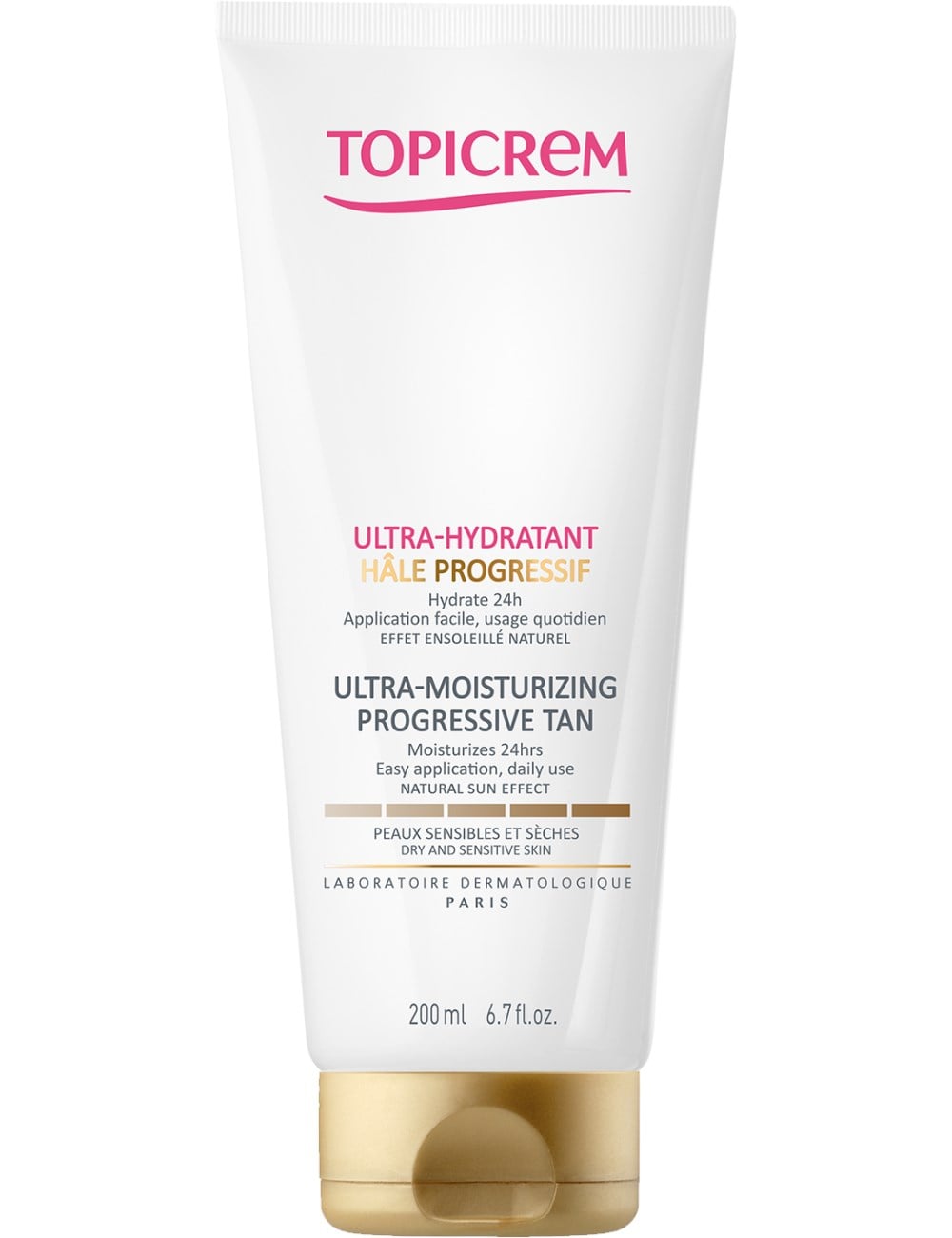
Topicrem Uh Progressive Tan 200mLA skin-care product for dry or dehydrated skin. It a care for sensitive or dry skin looking for a natural tan effect. Nourishes and protects - Beeswax. Suitable for sensitive and dry skin, with a creamy and fluid texture, being absorbed quickly, without leaving spots. Apply at night through a gentle massage.15,12 £*Shipping: 7,11 £Secure redirect to the provider
-
KMS Conscious Style Beach Texture Crème 100ml DoubleStock up and save on your favourite styling hair creme with this value double pack. KMS Conscious Style Beach Style Texture Crème is your hair go to to create an effortless, airy beach texture. Enriched with upcycled Sargassum seaweed, this texturising hair cream adds a weightless, windswept finish without shine or stiff/crunchy feel. Key Benefits: Beachy, tousled texture Airy, weightless finish Touchable hold without shine Suitable for all hair types (straight to curly) Suitable to all hair lengths 97% naturally derived ingredients 82% biodegradable With a blend of oil, wax and natural polymers, this vegan hair creme creates a weightless finish with touchable, yet lasting hold. Did you know? Due to the rising temperatures of our oceans, there has become an abundance of Sargassum Seaweed causing a negative impact on environmental and coastal life. By upcycling the excess seaweed as an ingredient helps to clean our beaches and restore balance to coastal life. Peta-Approved Vegan UpCycled CO2 Compensated Ingredients: Water/Aqua/Eau, Hydrogenated Vegetable Oil, Bis Diglyceryl Polyacyladipate-2, Cetearyl Alcohol, Hydroxypropyl Starch, Ricinus Communis (Castor) Seed Oil, Sargassum Fluitans/Natans Extract, Propanediol, Glyceryl Stearate SE, Calcium Sulfate, Xanthan Gum, Sclerotium Gum, Hydroxyacetophenone, Lactic Acid, Pentylene Glycol, Avena Sativa (Oat) Kernel Oil, Moringa Oleifera Seed Oil, Ceteareth-30, Trilaureth-4 Phosphate, Sodium Benzoate, Fragrance/Parfum.45,60 £*Shipping: 0,00 £Secure redirect to the provider



-
How can one make microplastics visible?
Microplastics can be made visible through the use of specialized equipment such as microscopes or infrared cameras. By magnifying the sample, microplastics that are too small to be seen with the naked eye can be identified and counted. Additionally, specific dyes or fluorescent markers can be used to stain the microplastics, making them easier to detect under certain lighting conditions. Sampling techniques such as filtration or sedimentation can also help concentrate microplastics from a larger sample, making them more visible for analysis. **
-
What is in wastewater: microplastics and silicones?
Wastewater can contain microplastics, which are tiny pieces of plastic less than 5mm in size that come from various sources such as personal care products, clothing, and packaging. Silicones are another common component found in wastewater, which are synthetic compounds used in a variety of products like shampoos, conditioners, and cosmetics. Both microplastics and silicones can pose environmental risks as they can accumulate in water bodies, harm aquatic life, and potentially enter the food chain. **
-
What is in the wastewater: microplastics and silicones?
Wastewater can contain microplastics, which are tiny plastic particles that come from a variety of sources such as clothing fibers, packaging materials, and personal care products. These microplastics can enter the wastewater system through activities like washing clothes or using personal care products. Additionally, silicones, which are synthetic polymers often used in personal care products and industrial processes, can also be found in wastewater. Both microplastics and silicones can pose environmental and health risks, making it important to address their presence in wastewater treatment processes. **
-
Do we all have microplastics in our bodies?
Yes, studies have found that microplastics have been detected in human bodies through various means such as in the gut, lungs, and even in placental tissue. These microplastics can enter our bodies through ingestion of contaminated food and water, as well as through inhalation of airborne particles. While the health impacts of microplastics in our bodies are still being studied, it is clear that they are pervasive in the environment and can accumulate in our bodies over time. **
What can be done about microplastics in the oceans?
To address the issue of microplastics in the oceans, several measures can be taken. Firstly, reducing the use of single-use plastics and promoting the use of biodegradable alternatives can help prevent the entry of more plastic into the oceans. Additionally, implementing proper waste management and recycling systems can help reduce the amount of plastic waste that ends up in the oceans. Furthermore, conducting clean-up operations and developing technologies to remove existing microplastics from the oceans can also be effective in mitigating the problem. Finally, raising awareness and educating the public about the impact of microplastics on marine ecosystems can help drive individual and collective action to address the issue. **
What is the difference between primary and secondary microplastics?
Primary microplastics are small plastic particles that are intentionally produced for use in products such as exfoliating scrubs, industrial abrasives, and air blasting. Secondary microplastics are the result of the breakdown of larger plastic items, such as water bottles, packaging materials, and fishing nets, due to weathering, sunlight, and mechanical action. Both types of microplastics can have negative impacts on the environment and wildlife, but primary microplastics are directly introduced into the environment, while secondary microplastics result from the degradation of larger plastic items. **
Top-Angebote
Products related to Microplastics:
-
Hollywood Browzer Microplaner - Trio - Transformative TealReady to take your dermaplaning to the next level? The Hollywood Browzer Microplaner - Trio - Transformative Teal features an innovative design with unique microfine teeth surrounding an enhanced precision blade. Engineered specifically for a deeper, more intense exfoliation experience, this sophisticated design gets closer to the skin, offering a deeper and more intense dermaplaning treatment from the comfort of home.Not just a beauty accessory, this trio is the essential first step in any effective skincare routine. By effortlessly removing peach fuzz and dead skin cells, it creates a flawless canvas for makeup application and allows your favorite serums and moisturizers to absorb more effectively. Use anywhere from the face to the body with gentle strokes to experience instant radiance.Each tool in this convenient three-pack lasts up to 3 months, replacing expensive salon treatments with professional, long-lasting results. Perfect for maintaining smooth, glowing skin, this trio delivers incredible value while upgrading your weekly self-care ritual. Discover the ultimate at-home exfoliation and achieve a beautifully smooth, luminous complexion.Key BenefitsFeatures unique microfine teeth and an enhanced precision blade engineered to provide a deep, intense dermaplaning and exfoliation treatment - Acts as an essential first step in your skincare routine by effectively removing peach fuzz and dead skin cells for face and body - Delivers professional, salon-quality results at home with each long-lasting tool providing up to 3 months of use21,95 £*Shipping: 2,95 £Secure redirect to the provider
-
How can one detoxify microplastics?
One way to detoxify microplastics is through the use of activated charcoal. Activated charcoal has a porous structure that can trap and bind to toxins, including microplastics, and help remove them from the body. Another method is to consume foods and supplements that support the body's natural detoxification processes, such as antioxidants and fiber-rich foods. Additionally, reducing exposure to sources of microplastics, such as single-use plastics and contaminated water, can help prevent further accumulation in the body. **
-
How can microplastics be made visible?
Microplastics can be made visible through various methods such as using specialized equipment like microscopes or infrared spectroscopy to detect and analyze them. Additionally, researchers can use fluorescent dyes that bind specifically to microplastics, making them easier to see under certain lighting conditions. Another method is filtering water samples and examining the residue left behind, as microplastics will be captured on the filter. Overall, a combination of techniques is often used to effectively visualize and quantify microplastics in different environments. **
-
How can one make microplastics visible?
Microplastics can be made visible through the use of specialized equipment such as microscopes or infrared cameras. By magnifying the sample, microplastics that are too small to be seen with the naked eye can be identified and counted. Additionally, specific dyes or fluorescent markers can be used to stain the microplastics, making them easier to detect under certain lighting conditions. Sampling techniques such as filtration or sedimentation can also help concentrate microplastics from a larger sample, making them more visible for analysis. **
-
What is in wastewater: microplastics and silicones?
Wastewater can contain microplastics, which are tiny pieces of plastic less than 5mm in size that come from various sources such as personal care products, clothing, and packaging. Silicones are another common component found in wastewater, which are synthetic compounds used in a variety of products like shampoos, conditioners, and cosmetics. Both microplastics and silicones can pose environmental risks as they can accumulate in water bodies, harm aquatic life, and potentially enter the food chain. **
Similar search terms for Microplastics
-
Topicrem Uh Progressive Tan 200mLA skin-care product for dry or dehydrated skin. It a care for sensitive or dry skin looking for a natural tan effect. Nourishes and protects - Beeswax. Suitable for sensitive and dry skin, with a creamy and fluid texture, being absorbed quickly, without leaving spots. Apply at night through a gentle massage.15,12 £*Shipping: 7,11 £Secure redirect to the provider
-
KMS Conscious Style Beach Texture Crème 100ml DoubleStock up and save on your favourite styling hair creme with this value double pack. KMS Conscious Style Beach Style Texture Crème is your hair go to to create an effortless, airy beach texture. Enriched with upcycled Sargassum seaweed, this texturising hair cream adds a weightless, windswept finish without shine or stiff/crunchy feel. Key Benefits: Beachy, tousled texture Airy, weightless finish Touchable hold without shine Suitable for all hair types (straight to curly) Suitable to all hair lengths 97% naturally derived ingredients 82% biodegradable With a blend of oil, wax and natural polymers, this vegan hair creme creates a weightless finish with touchable, yet lasting hold. Did you know? Due to the rising temperatures of our oceans, there has become an abundance of Sargassum Seaweed causing a negative impact on environmental and coastal life. By upcycling the excess seaweed as an ingredient helps to clean our beaches and restore balance to coastal life. Peta-Approved Vegan UpCycled CO2 Compensated Ingredients: Water/Aqua/Eau, Hydrogenated Vegetable Oil, Bis Diglyceryl Polyacyladipate-2, Cetearyl Alcohol, Hydroxypropyl Starch, Ricinus Communis (Castor) Seed Oil, Sargassum Fluitans/Natans Extract, Propanediol, Glyceryl Stearate SE, Calcium Sulfate, Xanthan Gum, Sclerotium Gum, Hydroxyacetophenone, Lactic Acid, Pentylene Glycol, Avena Sativa (Oat) Kernel Oil, Moringa Oleifera Seed Oil, Ceteareth-30, Trilaureth-4 Phosphate, Sodium Benzoate, Fragrance/Parfum.45,60 £*Shipping: 0,00 £Secure redirect to the provider
-
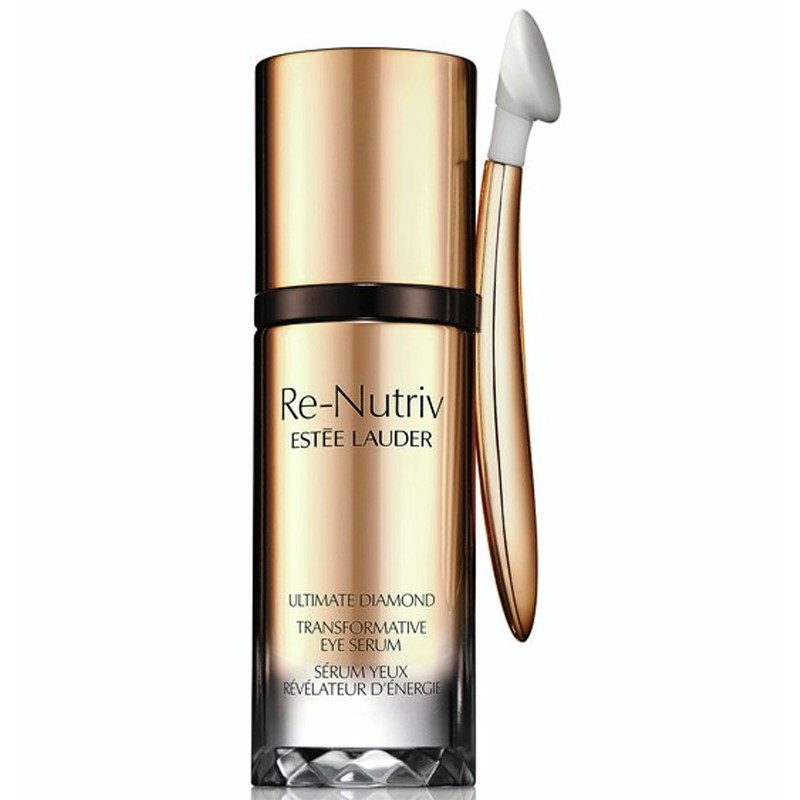
Estée Lauder Re-Nutriv Ultimate Diamond Transformative Eye Serum 15mLAn eye serum for the eye contour. This product allows to reveal a luminous, more sculpted and defined look with a multifaceted glow. Enriched with Black Diamond Truffle Extract, this ultra-smooth serum is quickly absorbed and transforms the appearance of your look magnificently and immediately. The cooling Sculpted Ceramic Eye Wand helps the Eye Serum penetrate into skin.156,60 £*Shipping: 0,00 £Secure redirect to the provider
-
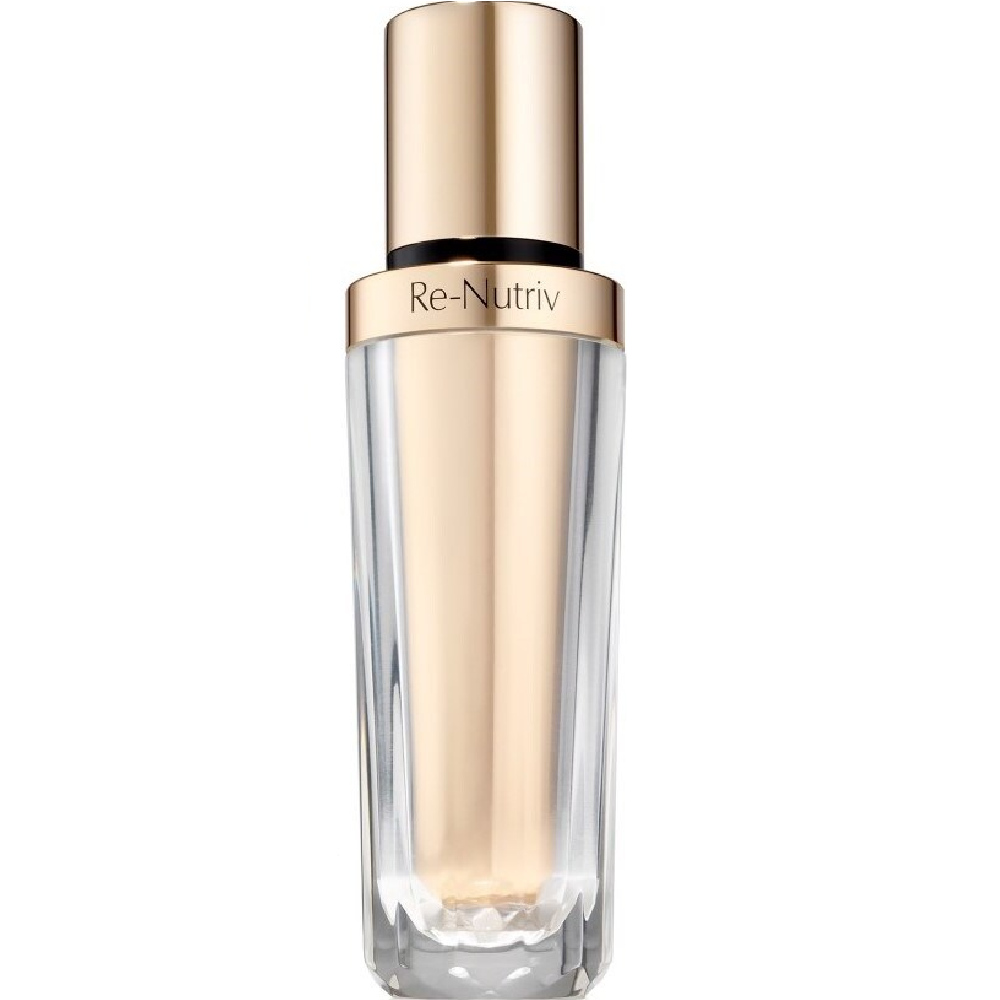
Estée Lauder Re-Nutriv Ultimate Diamond Transformative Brillance Serum 30mLA facial serum for dull skin. This product allows transformative results in improving skin in terms of radiance, spots, pores, even tone, firmness and elasticity. Enriched with Black Diamond Truffle Extract and youth-preserving skin technology, this extraordinary serum helps strengthen the skin for a firmer feel and a noticeably improved surface.190,79 £*Shipping: 0,00 £Secure redirect to the provider
-
What is in the wastewater: microplastics and silicones?
Wastewater can contain microplastics, which are tiny plastic particles that come from a variety of sources such as clothing fibers, packaging materials, and personal care products. These microplastics can enter the wastewater system through activities like washing clothes or using personal care products. Additionally, silicones, which are synthetic polymers often used in personal care products and industrial processes, can also be found in wastewater. Both microplastics and silicones can pose environmental and health risks, making it important to address their presence in wastewater treatment processes. **
-
Do we all have microplastics in our bodies?
Yes, studies have found that microplastics have been detected in human bodies through various means such as in the gut, lungs, and even in placental tissue. These microplastics can enter our bodies through ingestion of contaminated food and water, as well as through inhalation of airborne particles. While the health impacts of microplastics in our bodies are still being studied, it is clear that they are pervasive in the environment and can accumulate in our bodies over time. **
-
What can be done about microplastics in the oceans?
To address the issue of microplastics in the oceans, several measures can be taken. Firstly, reducing the use of single-use plastics and promoting the use of biodegradable alternatives can help prevent the entry of more plastic into the oceans. Additionally, implementing proper waste management and recycling systems can help reduce the amount of plastic waste that ends up in the oceans. Furthermore, conducting clean-up operations and developing technologies to remove existing microplastics from the oceans can also be effective in mitigating the problem. Finally, raising awareness and educating the public about the impact of microplastics on marine ecosystems can help drive individual and collective action to address the issue. **
-
What is the difference between primary and secondary microplastics?
Primary microplastics are small plastic particles that are intentionally produced for use in products such as exfoliating scrubs, industrial abrasives, and air blasting. Secondary microplastics are the result of the breakdown of larger plastic items, such as water bottles, packaging materials, and fishing nets, due to weathering, sunlight, and mechanical action. Both types of microplastics can have negative impacts on the environment and wildlife, but primary microplastics are directly introduced into the environment, while secondary microplastics result from the degradation of larger plastic items. **
* All prices are inclusive of VAT and, if applicable, plus shipping costs. The offer information is based on the details provided by the respective shop and is updated through automated processes. Real-time updates do not occur, so deviations can occur in individual cases. ** Note: Parts of this content were created by AI.