Buy meta-noia.eu ?
We are moving the project
meta-noia.eu .
Are you interested in purchasing the domain
meta-noia.eu ?
domain@kv-gmbh.de · 0541-91531010
Buy meta-noia.eu ?
What is the difference between Present Progressive and Present Participle?
The present progressive tense is used to describe an ongoing action that is happening at the current moment. It is formed by using the verb "to be" in the present tense, followed by the present participle of the main verb. The present participle, on the other hand, is the -ing form of a verb and is used to form the present progressive tense, as well as to create continuous verb forms in other tenses. In summary, the present progressive is a specific tense used to describe ongoing actions, while the present participle is the -ing form of a verb that is used to form the present progressive tense and other continuous verb forms. **
'Will + participle 2?'
"Will + participle 2" is a construction used to form the future perfect tense in English. It is used to indicate an action that will be completed before a specific point in the future. This construction is formed by using the auxiliary verb "will" followed by the past participle of the main verb. For example, "By the time you arrive, I will have finished my homework." **

Similar search terms for Participle
Top-Angebote
Products related to Participle:
-
KMS Conscious Style Beach Texture Crème 100ml DoubleStock up and save on your favourite styling hair creme with this value double pack. KMS Conscious Style Beach Style Texture Crème is your hair go to to create an effortless, airy beach texture. Enriched with upcycled Sargassum seaweed, this texturising hair cream adds a weightless, windswept finish without shine or stiff/crunchy feel. Key Benefits: Beachy, tousled texture Airy, weightless finish Touchable hold without shine Suitable for all hair types (straight to curly) Suitable to all hair lengths 97% naturally derived ingredients 82% biodegradable With a blend of oil, wax and natural polymers, this vegan hair creme creates a weightless finish with touchable, yet lasting hold. Did you know? Due to the rising temperatures of our oceans, there has become an abundance of Sargassum Seaweed causing a negative impact on environmental and coastal life. By upcycling the excess seaweed as an ingredient helps to clean our beaches and restore balance to coastal life. Peta-Approved Vegan UpCycled CO2 Compensated Ingredients: Water/Aqua/Eau, Hydrogenated Vegetable Oil, Bis Diglyceryl Polyacyladipate-2, Cetearyl Alcohol, Hydroxypropyl Starch, Ricinus Communis (Castor) Seed Oil, Sargassum Fluitans/Natans Extract, Propanediol, Glyceryl Stearate SE, Calcium Sulfate, Xanthan Gum, Sclerotium Gum, Hydroxyacetophenone, Lactic Acid, Pentylene Glycol, Avena Sativa (Oat) Kernel Oil, Moringa Oleifera Seed Oil, Ceteareth-30, Trilaureth-4 Phosphate, Sodium Benzoate, Fragrance/Parfum.45,60 £*Shipping: 0,00 £Secure redirect to the provider
-
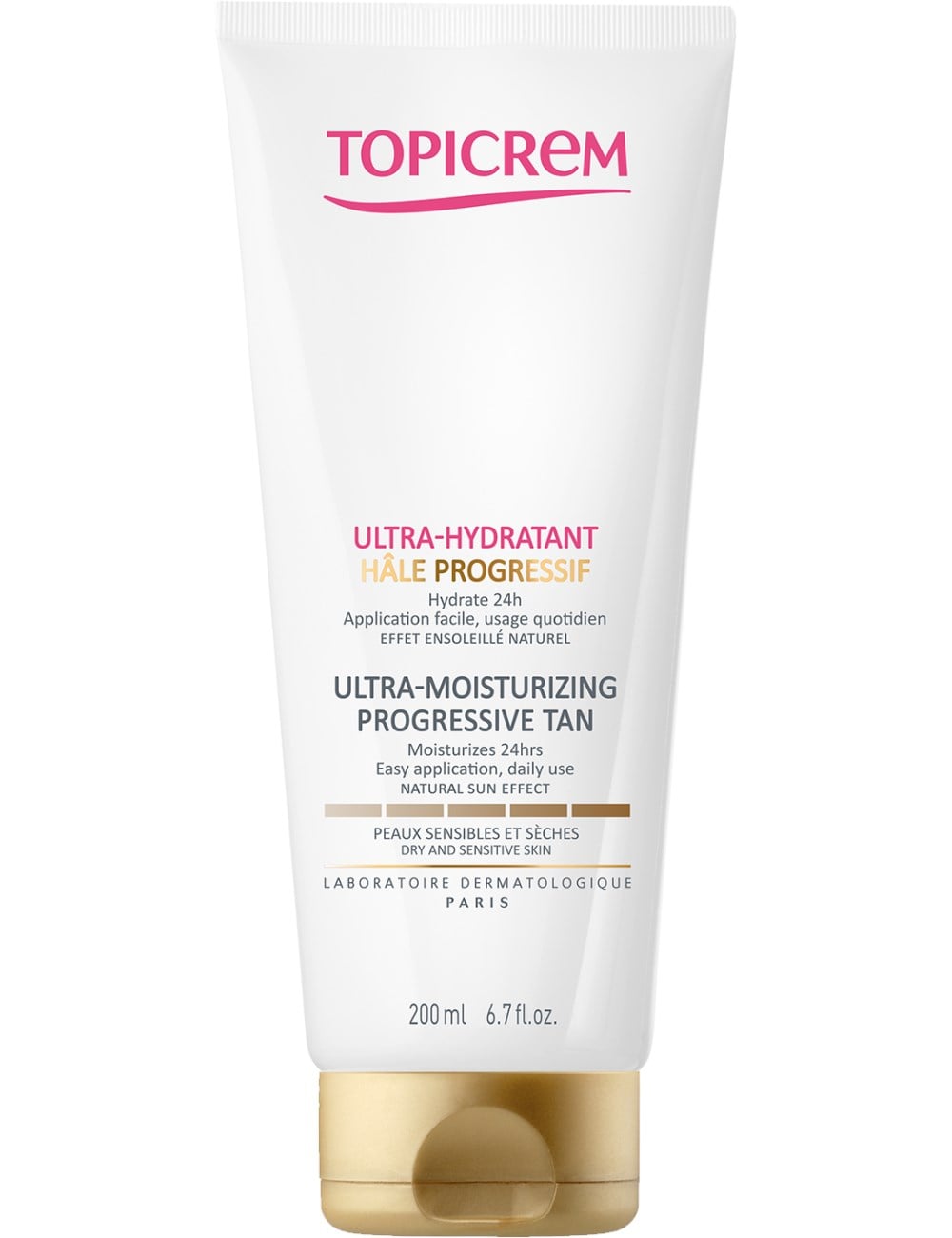
Topicrem Uh Progressive Tan 200mLA skin-care product for dry or dehydrated skin. It a care for sensitive or dry skin looking for a natural tan effect. Nourishes and protects - Beeswax. Suitable for sensitive and dry skin, with a creamy and fluid texture, being absorbed quickly, without leaving spots. Apply at night through a gentle massage.15,12 £*Shipping: 7,11 £Secure redirect to the provider
-
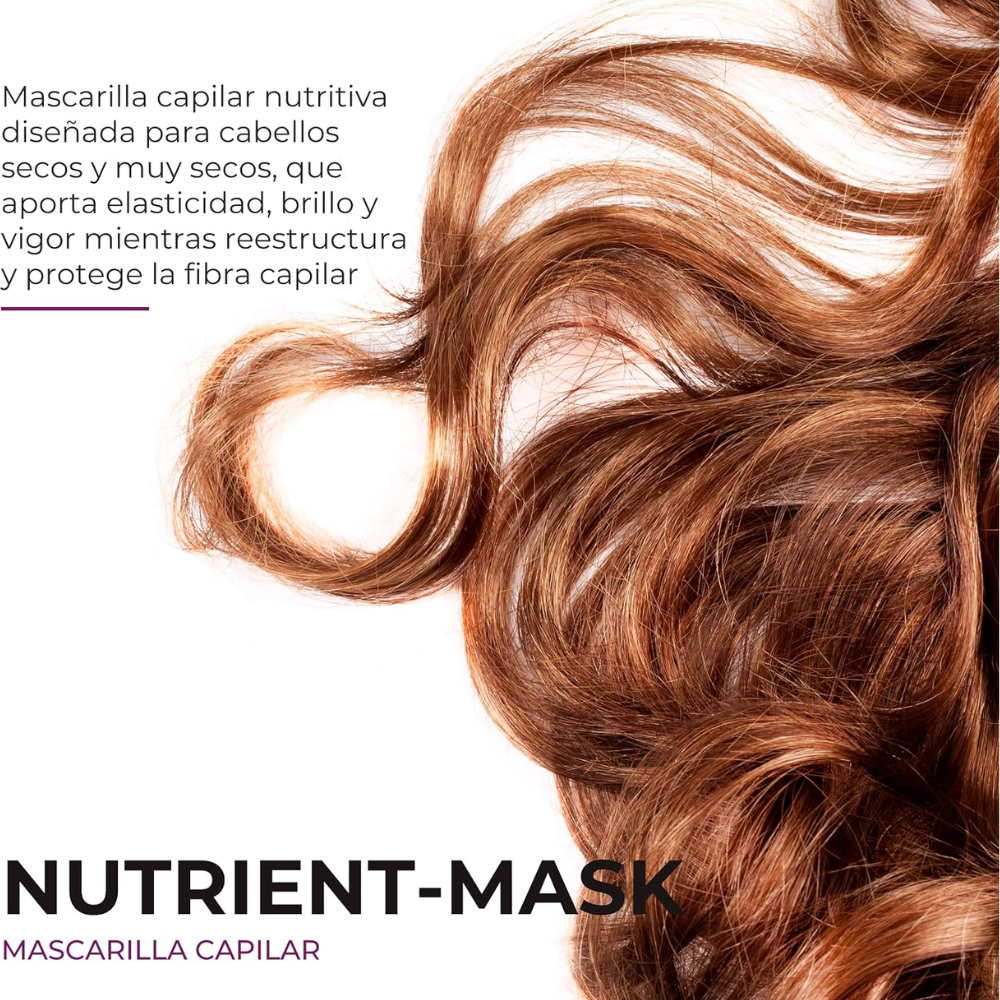
Rueber Innovative Nutrient Nourishing Mask 200mLA hair mask. It a nourishing hair mask rich in amino acids that provides elasticity, vigor, and shine to hair. Its acidic pH protects dry or very dry hair by nourishing and eliminating static electricity. Intensely nourishes and revitalizes dry hair. Improves elasticity and shine. Protects hair structure with an acidic pH.13,95 £*Shipping: 7,11 £Secure redirect to the provider



-
What are the Latin forms of the present participle, perfect passive participle, and future active participle?
The Latin present participle is formed by adding -ns, -ntis to the present stem of the verb. For example, the present participle of the verb "amo" (I love) is "amans, amantis" (loving). The perfect passive participle is formed by adding -us, -a, -um to the verb stem. For example, the perfect passive participle of the verb "amo" is "amatus, amata, amatum" (loved). The future active participle is formed by adding -urus, -ura, -urum to the verb stem. For example, the future active participle of the verb "amo" is "amaturus, amatura, amaturum" (about to love). **
-
What are participle clauses?
Participle clauses are a type of clause that uses a present participle (-ing form) or a past participle (-ed form) to provide additional information about the subject of the main clause. They can be used to show simultaneous actions, cause and effect, or to provide descriptive details. For example, in the sentence "Feeling tired, she decided to go to bed," the participle clause "Feeling tired" provides additional information about the subject "she." **
-
What is a participle?
A participle is a form of a verb that can function as an adjective or be part of a verb phrase. There are two types of participles in English: the present participle, which ends in -ing (e.g. "walking"), and the past participle, which can end in -ed, -en, -d, -t, -n, or -ne (e.g. "broken"). Participles are used to modify nouns or pronouns, and they can also be used to form verb tenses such as the present perfect or past perfect. **
-
What is the difference between the past participle and the present participle?
The past participle is a verb form used to indicate a completed action or state that occurred in the past. It is often used with auxiliary verbs to form the perfect tenses (e.g., "has eaten," "had gone"). The present participle, on the other hand, is a verb form used to indicate an ongoing action or state in the present or future. It is formed by adding "-ing" to the base form of the verb and is used to create the progressive tenses (e.g., "is eating," "will be going"). **
How can the terms premature, simultaneous, and subsequent be explained in relation to past participle, present participle, and future participle?
The terms premature, simultaneous, and subsequent can be explained in relation to past participle, present participle, and future participle based on their timing in relation to the action of the verb. The past participle refers to an action that has already been completed, making it premature in relation to the present moment. The present participle refers to an action that is happening at the same time as something else, making it simultaneous. The future participle refers to an action that will happen at a later time, making it subsequent to the present moment. These terms help to clarify the timing of the action in relation to the verb. **
What is a nominalized participle?
A nominalized participle is a verb form that has been turned into a noun. This is done by adding a suffix to the participle form of the verb, which allows it to function as a noun in a sentence. Nominalized participles are commonly used in various languages to express actions or qualities in a more abstract or general way. **
Top-Angebote
Products related to Participle:
-
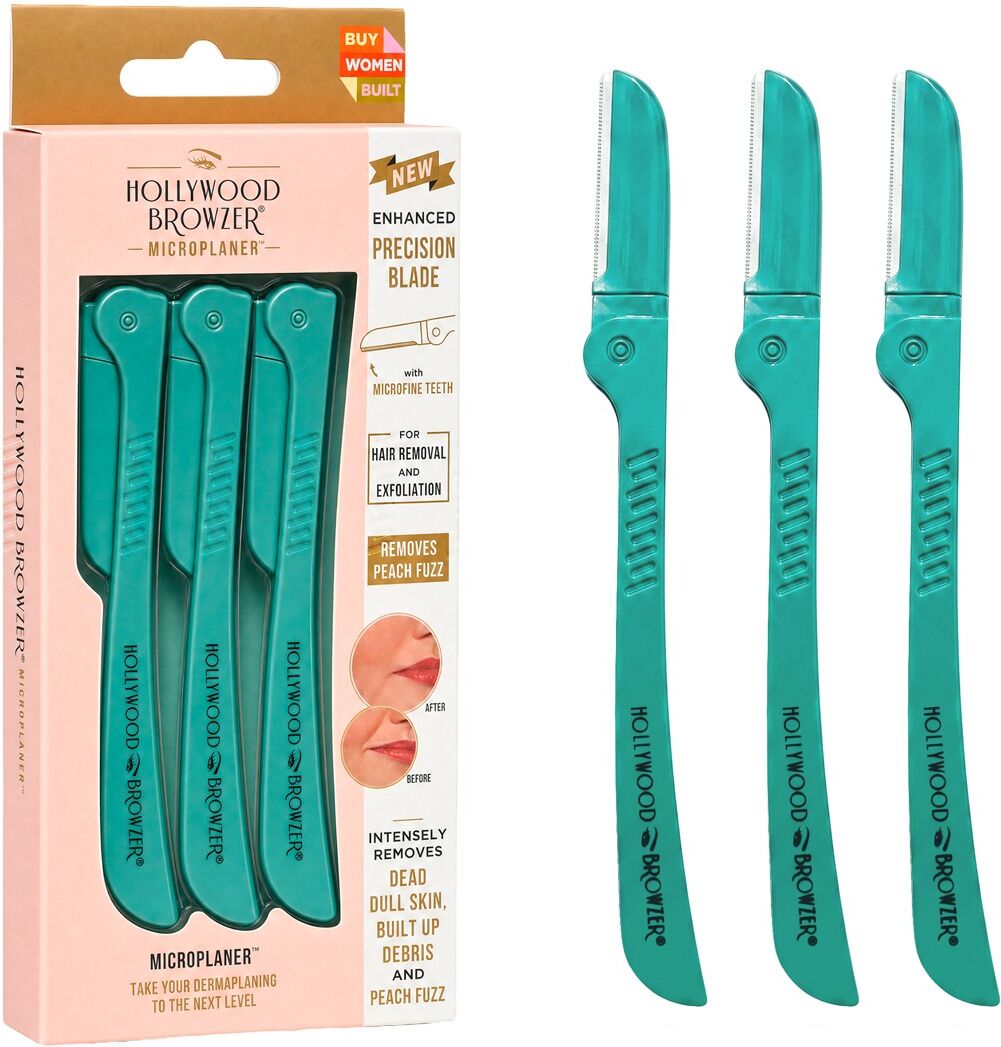
Hollywood Browzer Microplaner - Trio - Transformative TealReady to take your dermaplaning to the next level? The Hollywood Browzer Microplaner - Trio - Transformative Teal features an innovative design with unique microfine teeth surrounding an enhanced precision blade. Engineered specifically for a deeper, more intense exfoliation experience, this sophisticated design gets closer to the skin, offering a deeper and more intense dermaplaning treatment from the comfort of home.Not just a beauty accessory, this trio is the essential first step in any effective skincare routine. By effortlessly removing peach fuzz and dead skin cells, it creates a flawless canvas for makeup application and allows your favorite serums and moisturizers to absorb more effectively. Use anywhere from the face to the body with gentle strokes to experience instant radiance.Each tool in this convenient three-pack lasts up to 3 months, replacing expensive salon treatments with professional, long-lasting results. Perfect for maintaining smooth, glowing skin, this trio delivers incredible value while upgrading your weekly self-care ritual. Discover the ultimate at-home exfoliation and achieve a beautifully smooth, luminous complexion.Key BenefitsFeatures unique microfine teeth and an enhanced precision blade engineered to provide a deep, intense dermaplaning and exfoliation treatment - Acts as an essential first step in your skincare routine by effectively removing peach fuzz and dead skin cells for face and body - Delivers professional, salon-quality results at home with each long-lasting tool providing up to 3 months of use21,95 £*Shipping: 2,95 £Secure redirect to the provider
-
KMS Conscious Style Beach Texture Crème 100ml DoubleStock up and save on your favourite styling hair creme with this value double pack. KMS Conscious Style Beach Style Texture Crème is your hair go to to create an effortless, airy beach texture. Enriched with upcycled Sargassum seaweed, this texturising hair cream adds a weightless, windswept finish without shine or stiff/crunchy feel. Key Benefits: Beachy, tousled texture Airy, weightless finish Touchable hold without shine Suitable for all hair types (straight to curly) Suitable to all hair lengths 97% naturally derived ingredients 82% biodegradable With a blend of oil, wax and natural polymers, this vegan hair creme creates a weightless finish with touchable, yet lasting hold. Did you know? Due to the rising temperatures of our oceans, there has become an abundance of Sargassum Seaweed causing a negative impact on environmental and coastal life. By upcycling the excess seaweed as an ingredient helps to clean our beaches and restore balance to coastal life. Peta-Approved Vegan UpCycled CO2 Compensated Ingredients: Water/Aqua/Eau, Hydrogenated Vegetable Oil, Bis Diglyceryl Polyacyladipate-2, Cetearyl Alcohol, Hydroxypropyl Starch, Ricinus Communis (Castor) Seed Oil, Sargassum Fluitans/Natans Extract, Propanediol, Glyceryl Stearate SE, Calcium Sulfate, Xanthan Gum, Sclerotium Gum, Hydroxyacetophenone, Lactic Acid, Pentylene Glycol, Avena Sativa (Oat) Kernel Oil, Moringa Oleifera Seed Oil, Ceteareth-30, Trilaureth-4 Phosphate, Sodium Benzoate, Fragrance/Parfum.45,60 £*Shipping: 0,00 £Secure redirect to the provider
-
What is the difference between Present Progressive and Present Participle?
The present progressive tense is used to describe an ongoing action that is happening at the current moment. It is formed by using the verb "to be" in the present tense, followed by the present participle of the main verb. The present participle, on the other hand, is the -ing form of a verb and is used to form the present progressive tense, as well as to create continuous verb forms in other tenses. In summary, the present progressive is a specific tense used to describe ongoing actions, while the present participle is the -ing form of a verb that is used to form the present progressive tense and other continuous verb forms. **
-
'Will + participle 2?'
"Will + participle 2" is a construction used to form the future perfect tense in English. It is used to indicate an action that will be completed before a specific point in the future. This construction is formed by using the auxiliary verb "will" followed by the past participle of the main verb. For example, "By the time you arrive, I will have finished my homework." **
-
What are the Latin forms of the present participle, perfect passive participle, and future active participle?
The Latin present participle is formed by adding -ns, -ntis to the present stem of the verb. For example, the present participle of the verb "amo" (I love) is "amans, amantis" (loving). The perfect passive participle is formed by adding -us, -a, -um to the verb stem. For example, the perfect passive participle of the verb "amo" is "amatus, amata, amatum" (loved). The future active participle is formed by adding -urus, -ura, -urum to the verb stem. For example, the future active participle of the verb "amo" is "amaturus, amatura, amaturum" (about to love). **
-
What are participle clauses?
Participle clauses are a type of clause that uses a present participle (-ing form) or a past participle (-ed form) to provide additional information about the subject of the main clause. They can be used to show simultaneous actions, cause and effect, or to provide descriptive details. For example, in the sentence "Feeling tired, she decided to go to bed," the participle clause "Feeling tired" provides additional information about the subject "she." **
Similar search terms for Participle
-
Topicrem Uh Progressive Tan 200mLA skin-care product for dry or dehydrated skin. It a care for sensitive or dry skin looking for a natural tan effect. Nourishes and protects - Beeswax. Suitable for sensitive and dry skin, with a creamy and fluid texture, being absorbed quickly, without leaving spots. Apply at night through a gentle massage.15,12 £*Shipping: 7,11 £Secure redirect to the provider
-
Rueber Innovative Nutrient Nourishing Mask 200mLA hair mask. It a nourishing hair mask rich in amino acids that provides elasticity, vigor, and shine to hair. Its acidic pH protects dry or very dry hair by nourishing and eliminating static electricity. Intensely nourishes and revitalizes dry hair. Improves elasticity and shine. Protects hair structure with an acidic pH.13,95 £*Shipping: 7,11 £Secure redirect to the provider
-
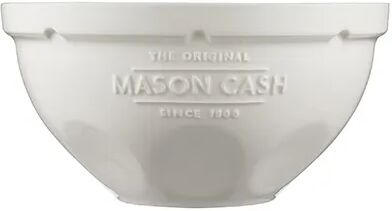
Mason Cash Innovative Kitchen Mixing BowlThis Mason Cash mixing bowl has a capacity of 4 litres and features tilt support in the design and shape of the bowl. As the bowl is tilted, the indents in the outer surface of the bowl provided angled support when mixing and beating the contents of the bowl. The bowl is made from stoneware and is finished with a durable and hard wearing glaze. The Mason Cash mixing bowl is suitable for warming food in the microwave and is dishwasher safe for easy and convenient cleaning.24,50 £*Shipping: 3,50 £Secure redirect to the provider
-
Rueber Innovative Nutrient Nourishing Mask 500mLA hair mask. It a nourishing hair mask rich in amino acids that provides elasticity, vigor, and shine to hair. Its acidic pH protects dry or very dry hair by nourishing and eliminating static electricity. Intensely nourishes and revitalizes dry hair. Improves elasticity and shine. Protects hair structure with an acidic pH.24,01 £*Shipping: 10,02 £Secure redirect to the provider
-
What is a participle?
A participle is a form of a verb that can function as an adjective or be part of a verb phrase. There are two types of participles in English: the present participle, which ends in -ing (e.g. "walking"), and the past participle, which can end in -ed, -en, -d, -t, -n, or -ne (e.g. "broken"). Participles are used to modify nouns or pronouns, and they can also be used to form verb tenses such as the present perfect or past perfect. **
-
What is the difference between the past participle and the present participle?
The past participle is a verb form used to indicate a completed action or state that occurred in the past. It is often used with auxiliary verbs to form the perfect tenses (e.g., "has eaten," "had gone"). The present participle, on the other hand, is a verb form used to indicate an ongoing action or state in the present or future. It is formed by adding "-ing" to the base form of the verb and is used to create the progressive tenses (e.g., "is eating," "will be going"). **
-
How can the terms premature, simultaneous, and subsequent be explained in relation to past participle, present participle, and future participle?
The terms premature, simultaneous, and subsequent can be explained in relation to past participle, present participle, and future participle based on their timing in relation to the action of the verb. The past participle refers to an action that has already been completed, making it premature in relation to the present moment. The present participle refers to an action that is happening at the same time as something else, making it simultaneous. The future participle refers to an action that will happen at a later time, making it subsequent to the present moment. These terms help to clarify the timing of the action in relation to the verb. **
-
What is a nominalized participle?
A nominalized participle is a verb form that has been turned into a noun. This is done by adding a suffix to the participle form of the verb, which allows it to function as a noun in a sentence. Nominalized participles are commonly used in various languages to express actions or qualities in a more abstract or general way. **
* All prices are inclusive of VAT and, if applicable, plus shipping costs. The offer information is based on the details provided by the respective shop and is updated through automated processes. Real-time updates do not occur, so deviations can occur in individual cases. ** Note: Parts of this content were created by AI.