Buy meta-noia.eu ?
We are moving the project
meta-noia.eu .
Are you interested in purchasing the domain
meta-noia.eu ?
domain@kv-gmbh.de · 0541-91531010
Buy meta-noia.eu ?
What is the difference between Present Perfect Progressive and Past Perfect Progressive?
The Present Perfect Progressive is used to indicate an action that started in the past and is still ongoing or has just been completed. It is formed with the present tense of "have been" or "has been" and the present participle of the main verb. For example, "I have been working on this project for two hours." On the other hand, the Past Perfect Progressive is used to indicate an action that was ongoing in the past and was still ongoing or had just been completed before another action in the past. It is formed with the past tense of "had been" and the present participle of the main verb. For example, "She had been studying for hours before she finally took a break." In summary, the main difference between the two tenses is the time frame they refer to - the Present Perfect Progressive refers to ongoing actions from the past up to the present, while the Past Perfect Progressive refers to ongoing actions in the past up to a specific point in the past. **
How do you find the male name Aire?
The male name Aire can be found by researching various sources such as baby name websites, name dictionaries, and historical records. It may also be helpful to consult with people from different cultures and regions where the name Aire is commonly used. Additionally, reaching out to individuals who have the name Aire or have knowledge of its origins can provide valuable insights into its meaning and significance. **


Similar search terms for Perfect-Aire-Utility-Milkhouse
Top-Angebote
Products related to Perfect-Aire-Utility-Milkhouse:
-
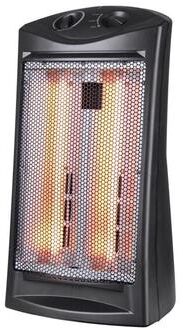
Perfect Aire Electric Tower HeaterAdd some warmth to your space with this Infrared Radiant Tower Heater from Perfect Aire! This heater has 2 heat settings, comes with infrared heating technology and numerous safety features so you can enjoy the warmth wherever you go hassle-free.103,49 $*Shipping: 0,00 $Secure redirect to the provider
-
Perfect Aire Electric Infrared ,Heater w/RemoteAdd some warmth to your space with this 4 Element Infrared Heater from Perfect Aire! This heater has 2 heat settings, LED display, temperature control and numerous safety features so you can enjoy the warmth hassle-free.117,01 $*Shipping: 0,00 $Secure redirect to the provider
-
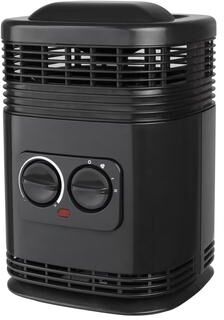
Perfect Aire 2PHF9 Fan‑Forced Electric Heater, 5,120 BTUBring comfort to your space year-round with this 9 in. Fan Heater from Perfect Aire. Compact but powerful, it features three heat settings and a fan-only mode for versatile all-season use.44,99 $*Shipping: 0,00 $Secure redirect to the provider


-
What is the difference between the Past Perfect Progressive and the Present Perfect Progressive?
The Past Perfect Progressive is used to describe an action that was ongoing in the past before another action took place. It is formed with "had been" + the present participle of the main verb. For example, "She had been studying for hours before she finally understood the concept." On the other hand, the Present Perfect Progressive is used to describe an action that started in the past and is still ongoing or has just been completed. It is formed with "has/have been" + the present participle of the main verb. For example, "I have been working on this project for weeks and I'm finally finished." **
-
What is the correct grammar of the Present Perfect Progressive and the Past Perfect Progressive?
The Present Perfect Progressive is formed by using "have/has been" + the present participle of the main verb (e.g., I have been working). The Past Perfect Progressive is formed by using "had been" + the present participle of the main verb (e.g., I had been studying). Both tenses indicate actions that started in the past and are still ongoing or have just been completed. **
-
What is the difference between Present Perfect and Present Perfect Progressive?
The Present Perfect tense is used to describe an action that happened at an unspecified time in the past, with a focus on the result or completion of the action. For example, "I have finished my homework." On the other hand, the Present Perfect Progressive tense is used to describe an action that started in the past and is still ongoing or has just been completed. For example, "I have been studying for two hours." The main difference is that the Present Perfect focuses on the result of the action, while the Present Perfect Progressive focuses on the duration or continuity of the action. **
-
Which tense is used: Present Perfect Simple or Present Perfect Progressive?
The Present Perfect Simple tense is used to express an action that was completed at some point in the past and has a connection to the present. It is formed with the auxiliary verb "have/has" and the past participle of the main verb. On the other hand, the Present Perfect Progressive tense is used to emphasize the duration or ongoing nature of an action that started in the past and continues into the present. It is formed with the auxiliary verb "have/has been" and the present participle of the main verb. **


When do you use the past perfect progressive and the past progressive?
The past perfect progressive is used to describe an action that was ongoing in the past before another action took place. For example, "She had been studying for hours before her friends arrived." On the other hand, the past progressive is used to describe an ongoing action in the past without reference to another action. For example, "She was studying when her friends arrived." Both tenses are used to provide context and clarity about the timing of events in the past. **
What is the difference between marginal utility and total utility?
Marginal utility refers to the additional satisfaction or benefit gained from consuming one more unit of a good or service. It measures the change in total utility when consuming an additional unit. Total utility, on the other hand, is the overall satisfaction or benefit derived from consuming all units of a good or service. It is the sum of the marginal utilities of each unit consumed. In essence, marginal utility focuses on the incremental benefit of consuming one more unit, while total utility measures the cumulative satisfaction from consuming all units. **
Top-Angebote
Products related to Perfect-Aire-Utility-Milkhouse:
-
Perfect Aire Utility Milkhouse HeaterExperience comfort in any room with this metal, milkhouse utility heater from Perfect Aire. This heater offers 2 heat settings, temperature control, and over-heat protection for a worry-free experience in every season.60,49 $*Shipping: 0,00 $Secure redirect to the provider
-
Perfect Aire Electric Tower HeaterAdd some warmth to your space with this Infrared Radiant Tower Heater from Perfect Aire! This heater has 2 heat settings, comes with infrared heating technology and numerous safety features so you can enjoy the warmth wherever you go hassle-free.103,49 $*Shipping: 0,00 $Secure redirect to the provider
-
Perfect Aire Electric Infrared ,Heater w/RemoteAdd some warmth to your space with this 4 Element Infrared Heater from Perfect Aire! This heater has 2 heat settings, LED display, temperature control and numerous safety features so you can enjoy the warmth hassle-free.117,01 $*Shipping: 0,00 $Secure redirect to the provider
-
What is the difference between Present Perfect Progressive and Past Perfect Progressive?
The Present Perfect Progressive is used to indicate an action that started in the past and is still ongoing or has just been completed. It is formed with the present tense of "have been" or "has been" and the present participle of the main verb. For example, "I have been working on this project for two hours." On the other hand, the Past Perfect Progressive is used to indicate an action that was ongoing in the past and was still ongoing or had just been completed before another action in the past. It is formed with the past tense of "had been" and the present participle of the main verb. For example, "She had been studying for hours before she finally took a break." In summary, the main difference between the two tenses is the time frame they refer to - the Present Perfect Progressive refers to ongoing actions from the past up to the present, while the Past Perfect Progressive refers to ongoing actions in the past up to a specific point in the past. **
-
How do you find the male name Aire?
The male name Aire can be found by researching various sources such as baby name websites, name dictionaries, and historical records. It may also be helpful to consult with people from different cultures and regions where the name Aire is commonly used. Additionally, reaching out to individuals who have the name Aire or have knowledge of its origins can provide valuable insights into its meaning and significance. **
-
What is the difference between the Past Perfect Progressive and the Present Perfect Progressive?
The Past Perfect Progressive is used to describe an action that was ongoing in the past before another action took place. It is formed with "had been" + the present participle of the main verb. For example, "She had been studying for hours before she finally understood the concept." On the other hand, the Present Perfect Progressive is used to describe an action that started in the past and is still ongoing or has just been completed. It is formed with "has/have been" + the present participle of the main verb. For example, "I have been working on this project for weeks and I'm finally finished." **
-
What is the correct grammar of the Present Perfect Progressive and the Past Perfect Progressive?
The Present Perfect Progressive is formed by using "have/has been" + the present participle of the main verb (e.g., I have been working). The Past Perfect Progressive is formed by using "had been" + the present participle of the main verb (e.g., I had been studying). Both tenses indicate actions that started in the past and are still ongoing or have just been completed. **
Similar search terms for Perfect-Aire-Utility-Milkhouse
-
Perfect Aire 2PHF9 Fan‑Forced Electric Heater, 5,120 BTUBring comfort to your space year-round with this 9 in. Fan Heater from Perfect Aire. Compact but powerful, it features three heat settings and a fan-only mode for versatile all-season use.44,99 $*Shipping: 0,00 $Secure redirect to the provider
-
What is the difference between Present Perfect and Present Perfect Progressive?
The Present Perfect tense is used to describe an action that happened at an unspecified time in the past, with a focus on the result or completion of the action. For example, "I have finished my homework." On the other hand, the Present Perfect Progressive tense is used to describe an action that started in the past and is still ongoing or has just been completed. For example, "I have been studying for two hours." The main difference is that the Present Perfect focuses on the result of the action, while the Present Perfect Progressive focuses on the duration or continuity of the action. **
-
Which tense is used: Present Perfect Simple or Present Perfect Progressive?
The Present Perfect Simple tense is used to express an action that was completed at some point in the past and has a connection to the present. It is formed with the auxiliary verb "have/has" and the past participle of the main verb. On the other hand, the Present Perfect Progressive tense is used to emphasize the duration or ongoing nature of an action that started in the past and continues into the present. It is formed with the auxiliary verb "have/has been" and the present participle of the main verb. **
-
When do you use the past perfect progressive and the past progressive?
The past perfect progressive is used to describe an action that was ongoing in the past before another action took place. For example, "She had been studying for hours before her friends arrived." On the other hand, the past progressive is used to describe an ongoing action in the past without reference to another action. For example, "She was studying when her friends arrived." Both tenses are used to provide context and clarity about the timing of events in the past. **
-
What is the difference between marginal utility and total utility?
Marginal utility refers to the additional satisfaction or benefit gained from consuming one more unit of a good or service. It measures the change in total utility when consuming an additional unit. Total utility, on the other hand, is the overall satisfaction or benefit derived from consuming all units of a good or service. It is the sum of the marginal utilities of each unit consumed. In essence, marginal utility focuses on the incremental benefit of consuming one more unit, while total utility measures the cumulative satisfaction from consuming all units. **
* All prices are inclusive of VAT and, if applicable, plus shipping costs. The offer information is based on the details provided by the respective shop and is updated through automated processes. Real-time updates do not occur, so deviations can occur in individual cases. ** Note: Parts of this content were created by AI.