Buy meta-noia.eu ?
We are moving the project
meta-noia.eu .
Are you interested in purchasing the domain
meta-noia.eu ?
domain@kv-gmbh.de · 0541-91531010
Buy meta-noia.eu ?
What is meant by deontological and teleological?
Deontological ethics is an ethical theory that focuses on the inherent rightness or wrongness of actions themselves, rather than the consequences of those actions. It emphasizes the importance of following moral rules and duties, regardless of the outcomes. On the other hand, teleological ethics, also known as consequentialism, is an ethical theory that evaluates the morality of actions based on their outcomes or consequences. It emphasizes the idea that the rightness or wrongness of an action is determined by the overall good or bad results it produces. In summary, deontological ethics focuses on the inherent nature of actions, while teleological ethics focuses on the outcomes of actions. **
Is teleological ethics the same as teleology?
Teleological ethics and teleology are related concepts, but they are not the same. Teleological ethics is a moral theory that emphasizes the consequences or outcomes of actions as the basis for determining their ethical value. Teleology, on the other hand, is a broader philosophical concept that refers to the study of purpose or goals in nature and human existence. While teleological ethics is a specific application of teleology to moral decision-making, teleology encompasses a wider range of philosophical inquiries into purpose and design in the natural world. **


Similar search terms for Teleological
Top-Angebote
Products related to Teleological:
-
KMS Conscious Style Beach Texture Crème 100ml DoubleStock up and save on your favourite styling hair creme with this value double pack. KMS Conscious Style Beach Style Texture Crème is your hair go to to create an effortless, airy beach texture. Enriched with upcycled Sargassum seaweed, this texturising hair cream adds a weightless, windswept finish without shine or stiff/crunchy feel. Key Benefits: Beachy, tousled texture Airy, weightless finish Touchable hold without shine Suitable for all hair types (straight to curly) Suitable to all hair lengths 97% naturally derived ingredients 82% biodegradable With a blend of oil, wax and natural polymers, this vegan hair creme creates a weightless finish with touchable, yet lasting hold. Did you know? Due to the rising temperatures of our oceans, there has become an abundance of Sargassum Seaweed causing a negative impact on environmental and coastal life. By upcycling the excess seaweed as an ingredient helps to clean our beaches and restore balance to coastal life. Peta-Approved Vegan UpCycled CO2 Compensated Ingredients: Water/Aqua/Eau, Hydrogenated Vegetable Oil, Bis Diglyceryl Polyacyladipate-2, Cetearyl Alcohol, Hydroxypropyl Starch, Ricinus Communis (Castor) Seed Oil, Sargassum Fluitans/Natans Extract, Propanediol, Glyceryl Stearate SE, Calcium Sulfate, Xanthan Gum, Sclerotium Gum, Hydroxyacetophenone, Lactic Acid, Pentylene Glycol, Avena Sativa (Oat) Kernel Oil, Moringa Oleifera Seed Oil, Ceteareth-30, Trilaureth-4 Phosphate, Sodium Benzoate, Fragrance/Parfum.45,60 £*Shipping: 0,00 £Secure redirect to the provider
-
Topicrem Uh Progressive Tan 200mLA skin-care product for dry or dehydrated skin. It a care for sensitive or dry skin looking for a natural tan effect. Nourishes and protects - Beeswax. Suitable for sensitive and dry skin, with a creamy and fluid texture, being absorbed quickly, without leaving spots. Apply at night through a gentle massage.15,12 £*Shipping: 7,11 £Secure redirect to the provider
-
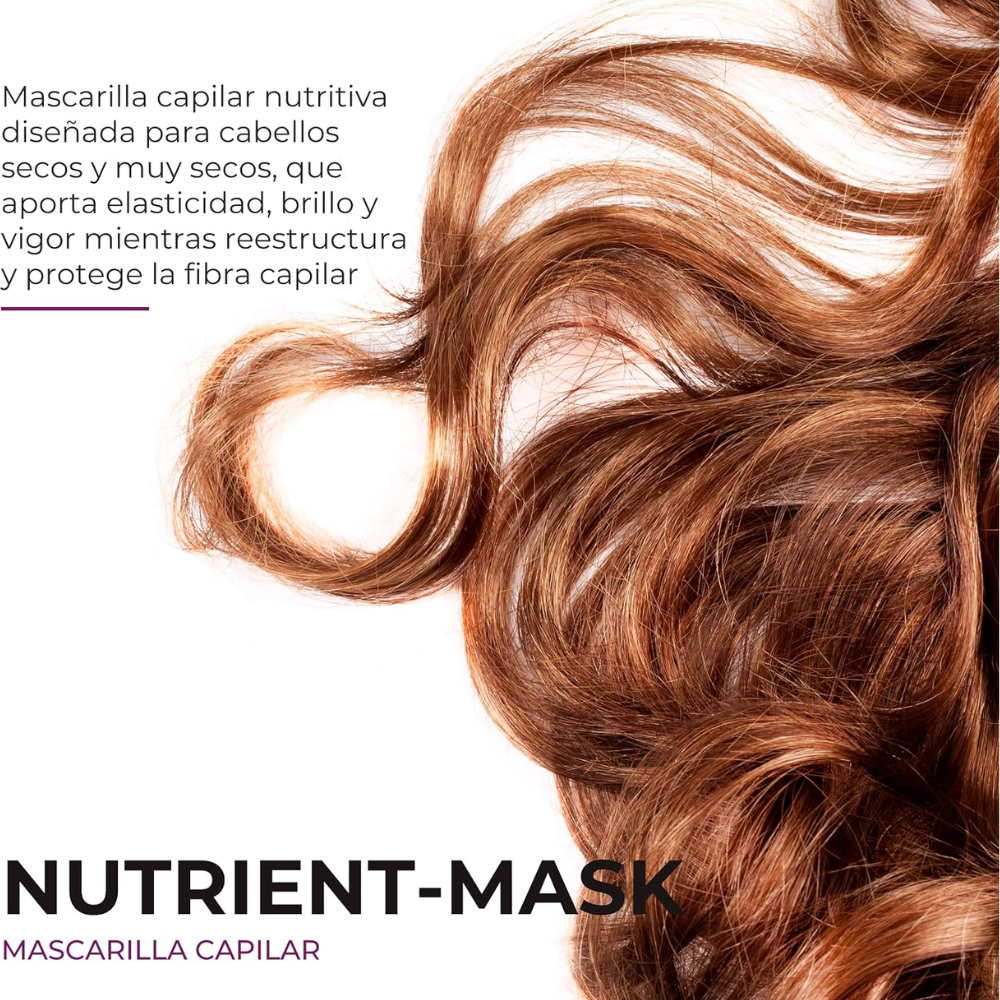
Rueber Innovative Nutrient Nourishing Mask 200mLA hair mask. It a nourishing hair mask rich in amino acids that provides elasticity, vigor, and shine to hair. Its acidic pH protects dry or very dry hair by nourishing and eliminating static electricity. Intensely nourishes and revitalizes dry hair. Improves elasticity and shine. Protects hair structure with an acidic pH.13,95 £*Shipping: 7,11 £Secure redirect to the provider




-
Does discourse ethics have a teleological or deontological approach?
Discourse ethics is primarily associated with a deontological approach. It focuses on the principles of communication and interaction between individuals, emphasizing the importance of ethical norms and rules in guiding discourse. The goal is to ensure that communication is based on mutual respect, equality, and rationality, rather than aiming towards a specific outcome or goal. By prioritizing the ethical principles of communication, discourse ethics aims to create a fair and just dialogue among participants. **
-
What is the teleological argument for the existence of God?
The teleological argument, also known as the argument from design, posits that the complexity and order in the universe suggest the existence of a designer, which is often equated with God. This argument points to the intricate design and purposeful arrangement of elements in the natural world, such as the human eye or the fine-tuning of physical constants, as evidence of an intelligent creator. Proponents of the teleological argument argue that the presence of design implies a designer, leading to the conclusion that God must exist as the ultimate designer of the universe. **
-
Can someone explain Aristotle's teleological view of the world to me?
Aristotle's teleological view of the world is based on the idea that everything in the natural world has a purpose or goal. According to Aristotle, all things in nature strive towards their own perfection or fulfillment. This means that each object or organism has a specific function or purpose that it is naturally inclined to fulfill. For example, the purpose of an acorn is to grow into an oak tree. This teleological perspective suggests that there is an inherent order and purpose in the natural world, and that everything has a specific role to play in the overall functioning of the universe. **
-
Does the teleological cosmic Kalam argument rely on a fatal fallacy?
The teleological cosmic Kalam argument does not rely on a fatal fallacy. The argument, which posits that the universe has a cause and that cause must be God, is based on the idea that the universe had a beginning and therefore requires a cause. While there may be objections and counterarguments to the Kalam argument, it does not contain a fatal fallacy. It is a philosophical and theological argument that has been debated and discussed for centuries, and while it may not be universally accepted, it is a valid and coherent argument within the realm of philosophical and theological discourse. **

What are the arguments against the teleological argument for the existence of God?
The teleological argument, also known as the argument from design, posits that the complexity and order in the universe point to the existence of an intelligent designer, namely God. However, there are several counterarguments to this claim. One argument is that the apparent design in the universe can be explained by natural processes such as evolution, without the need for a supernatural designer. Additionally, the presence of imperfections and instances of apparent "bad design" in the natural world, such as the existence of diseases and natural disasters, is seen as evidence against the idea of a perfect and benevolent designer. Furthermore, the teleological argument is criticized for relying on analogical reasoning, which may not be a sound basis for establishing the existence of a divine creator. **
Can someone explain to me how John Hospers criticizes the teleological argument for the existence of God?
John Hospers criticizes the teleological argument by pointing out that it relies on the assumption that the complexity and order in the universe must have been designed by a higher intelligence, which he argues is a flawed premise. He suggests that just because something appears to be designed, it does not necessarily mean that it was created by a conscious being. Hospers also questions the logic of inferring the existence of a single, all-powerful God from the apparent design in the universe, as there could be multiple creators or other explanations for the order we observe. **
Top-Angebote
Products related to Teleological:
-
Hollywood Browzer Microplaner - Trio - Transformative TealReady to take your dermaplaning to the next level? The Hollywood Browzer Microplaner - Trio - Transformative Teal features an innovative design with unique microfine teeth surrounding an enhanced precision blade. Engineered specifically for a deeper, more intense exfoliation experience, this sophisticated design gets closer to the skin, offering a deeper and more intense dermaplaning treatment from the comfort of home.Not just a beauty accessory, this trio is the essential first step in any effective skincare routine. By effortlessly removing peach fuzz and dead skin cells, it creates a flawless canvas for makeup application and allows your favorite serums and moisturizers to absorb more effectively. Use anywhere from the face to the body with gentle strokes to experience instant radiance.Each tool in this convenient three-pack lasts up to 3 months, replacing expensive salon treatments with professional, long-lasting results. Perfect for maintaining smooth, glowing skin, this trio delivers incredible value while upgrading your weekly self-care ritual. Discover the ultimate at-home exfoliation and achieve a beautifully smooth, luminous complexion.Key BenefitsFeatures unique microfine teeth and an enhanced precision blade engineered to provide a deep, intense dermaplaning and exfoliation treatment - Acts as an essential first step in your skincare routine by effectively removing peach fuzz and dead skin cells for face and body - Delivers professional, salon-quality results at home with each long-lasting tool providing up to 3 months of use21,95 £*Shipping: 2,95 £Secure redirect to the provider
-
KMS Conscious Style Beach Texture Crème 100ml DoubleStock up and save on your favourite styling hair creme with this value double pack. KMS Conscious Style Beach Style Texture Crème is your hair go to to create an effortless, airy beach texture. Enriched with upcycled Sargassum seaweed, this texturising hair cream adds a weightless, windswept finish without shine or stiff/crunchy feel. Key Benefits: Beachy, tousled texture Airy, weightless finish Touchable hold without shine Suitable for all hair types (straight to curly) Suitable to all hair lengths 97% naturally derived ingredients 82% biodegradable With a blend of oil, wax and natural polymers, this vegan hair creme creates a weightless finish with touchable, yet lasting hold. Did you know? Due to the rising temperatures of our oceans, there has become an abundance of Sargassum Seaweed causing a negative impact on environmental and coastal life. By upcycling the excess seaweed as an ingredient helps to clean our beaches and restore balance to coastal life. Peta-Approved Vegan UpCycled CO2 Compensated Ingredients: Water/Aqua/Eau, Hydrogenated Vegetable Oil, Bis Diglyceryl Polyacyladipate-2, Cetearyl Alcohol, Hydroxypropyl Starch, Ricinus Communis (Castor) Seed Oil, Sargassum Fluitans/Natans Extract, Propanediol, Glyceryl Stearate SE, Calcium Sulfate, Xanthan Gum, Sclerotium Gum, Hydroxyacetophenone, Lactic Acid, Pentylene Glycol, Avena Sativa (Oat) Kernel Oil, Moringa Oleifera Seed Oil, Ceteareth-30, Trilaureth-4 Phosphate, Sodium Benzoate, Fragrance/Parfum.45,60 £*Shipping: 0,00 £Secure redirect to the provider
-
What is meant by deontological and teleological?
Deontological ethics is an ethical theory that focuses on the inherent rightness or wrongness of actions themselves, rather than the consequences of those actions. It emphasizes the importance of following moral rules and duties, regardless of the outcomes. On the other hand, teleological ethics, also known as consequentialism, is an ethical theory that evaluates the morality of actions based on their outcomes or consequences. It emphasizes the idea that the rightness or wrongness of an action is determined by the overall good or bad results it produces. In summary, deontological ethics focuses on the inherent nature of actions, while teleological ethics focuses on the outcomes of actions. **
-
Is teleological ethics the same as teleology?
Teleological ethics and teleology are related concepts, but they are not the same. Teleological ethics is a moral theory that emphasizes the consequences or outcomes of actions as the basis for determining their ethical value. Teleology, on the other hand, is a broader philosophical concept that refers to the study of purpose or goals in nature and human existence. While teleological ethics is a specific application of teleology to moral decision-making, teleology encompasses a wider range of philosophical inquiries into purpose and design in the natural world. **
-
Does discourse ethics have a teleological or deontological approach?
Discourse ethics is primarily associated with a deontological approach. It focuses on the principles of communication and interaction between individuals, emphasizing the importance of ethical norms and rules in guiding discourse. The goal is to ensure that communication is based on mutual respect, equality, and rationality, rather than aiming towards a specific outcome or goal. By prioritizing the ethical principles of communication, discourse ethics aims to create a fair and just dialogue among participants. **
-
What is the teleological argument for the existence of God?
The teleological argument, also known as the argument from design, posits that the complexity and order in the universe suggest the existence of a designer, which is often equated with God. This argument points to the intricate design and purposeful arrangement of elements in the natural world, such as the human eye or the fine-tuning of physical constants, as evidence of an intelligent creator. Proponents of the teleological argument argue that the presence of design implies a designer, leading to the conclusion that God must exist as the ultimate designer of the universe. **
Similar search terms for Teleological
-
Topicrem Uh Progressive Tan 200mLA skin-care product for dry or dehydrated skin. It a care for sensitive or dry skin looking for a natural tan effect. Nourishes and protects - Beeswax. Suitable for sensitive and dry skin, with a creamy and fluid texture, being absorbed quickly, without leaving spots. Apply at night through a gentle massage.15,12 £*Shipping: 7,11 £Secure redirect to the provider
-
Rueber Innovative Nutrient Nourishing Mask 200mLA hair mask. It a nourishing hair mask rich in amino acids that provides elasticity, vigor, and shine to hair. Its acidic pH protects dry or very dry hair by nourishing and eliminating static electricity. Intensely nourishes and revitalizes dry hair. Improves elasticity and shine. Protects hair structure with an acidic pH.13,95 £*Shipping: 7,11 £Secure redirect to the provider
-
Mason Cash Innovative Kitchen Mixing BowlThis Mason Cash mixing bowl has a capacity of 4 litres and features tilt support in the design and shape of the bowl. As the bowl is tilted, the indents in the outer surface of the bowl provided angled support when mixing and beating the contents of the bowl. The bowl is made from stoneware and is finished with a durable and hard wearing glaze. The Mason Cash mixing bowl is suitable for warming food in the microwave and is dishwasher safe for easy and convenient cleaning.24,50 £*Shipping: 3,50 £Secure redirect to the provider
-
Rueber Innovative Nutrient Nourishing Mask 500mLA hair mask. It a nourishing hair mask rich in amino acids that provides elasticity, vigor, and shine to hair. Its acidic pH protects dry or very dry hair by nourishing and eliminating static electricity. Intensely nourishes and revitalizes dry hair. Improves elasticity and shine. Protects hair structure with an acidic pH.24,01 £*Shipping: 10,02 £Secure redirect to the provider
-
Can someone explain Aristotle's teleological view of the world to me?
Aristotle's teleological view of the world is based on the idea that everything in the natural world has a purpose or goal. According to Aristotle, all things in nature strive towards their own perfection or fulfillment. This means that each object or organism has a specific function or purpose that it is naturally inclined to fulfill. For example, the purpose of an acorn is to grow into an oak tree. This teleological perspective suggests that there is an inherent order and purpose in the natural world, and that everything has a specific role to play in the overall functioning of the universe. **
-
Does the teleological cosmic Kalam argument rely on a fatal fallacy?
The teleological cosmic Kalam argument does not rely on a fatal fallacy. The argument, which posits that the universe has a cause and that cause must be God, is based on the idea that the universe had a beginning and therefore requires a cause. While there may be objections and counterarguments to the Kalam argument, it does not contain a fatal fallacy. It is a philosophical and theological argument that has been debated and discussed for centuries, and while it may not be universally accepted, it is a valid and coherent argument within the realm of philosophical and theological discourse. **
-
What are the arguments against the teleological argument for the existence of God?
The teleological argument, also known as the argument from design, posits that the complexity and order in the universe point to the existence of an intelligent designer, namely God. However, there are several counterarguments to this claim. One argument is that the apparent design in the universe can be explained by natural processes such as evolution, without the need for a supernatural designer. Additionally, the presence of imperfections and instances of apparent "bad design" in the natural world, such as the existence of diseases and natural disasters, is seen as evidence against the idea of a perfect and benevolent designer. Furthermore, the teleological argument is criticized for relying on analogical reasoning, which may not be a sound basis for establishing the existence of a divine creator. **
-
Can someone explain to me how John Hospers criticizes the teleological argument for the existence of God?
John Hospers criticizes the teleological argument by pointing out that it relies on the assumption that the complexity and order in the universe must have been designed by a higher intelligence, which he argues is a flawed premise. He suggests that just because something appears to be designed, it does not necessarily mean that it was created by a conscious being. Hospers also questions the logic of inferring the existence of a single, all-powerful God from the apparent design in the universe, as there could be multiple creators or other explanations for the order we observe. **
* All prices are inclusive of VAT and, if applicable, plus shipping costs. The offer information is based on the details provided by the respective shop and is updated through automated processes. Real-time updates do not occur, so deviations can occur in individual cases. ** Note: Parts of this content were created by AI.