Buy meta-noia.eu ?
We are moving the project
meta-noia.eu .
Are you interested in purchasing the domain
meta-noia.eu ?
domain@kv-gmbh.de · 0541-91531010
Buy meta-noia.eu ?
How can the criteria of evolutionary development in vertebrates be demonstrated?
The criteria of evolutionary development in vertebrates can be demonstrated through the study of comparative anatomy, embryology, and genetics. By comparing the anatomical structures of different vertebrate species, scientists can identify similarities and differences that provide evidence of evolutionary relationships. Additionally, studying the embryonic development of vertebrates can reveal shared developmental pathways and structures that point to common ancestry. Finally, genetic analysis can provide insights into the evolutionary history of vertebrates by identifying shared genetic sequences and molecular mechanisms. Together, these approaches help to demonstrate the criteria of evolutionary development in vertebrates. **
How have vertebrates evolved?
Vertebrates have evolved over millions of years through a process of natural selection and genetic mutations. They have adapted to various environments by developing specialized traits such as limbs for land movement, wings for flight, and fins for swimming. Vertebrates have also diversified into different species with unique characteristics to better survive and thrive in their respective habitats. Overall, the evolution of vertebrates has been a complex and dynamic process that has led to the incredible diversity of species we see today. **

Similar search terms for Vertebrates
Top-Angebote
Products related to Vertebrates:
-
Topicrem Uh Progressive Tan 200mLA skin-care product for dry or dehydrated skin. It a care for sensitive or dry skin looking for a natural tan effect. Nourishes and protects - Beeswax. Suitable for sensitive and dry skin, with a creamy and fluid texture, being absorbed quickly, without leaving spots. Apply at night through a gentle massage.15,12 £*Shipping: 7,11 £Secure redirect to the provider
-
Rueber Innovative Nutrient Nourishing Mask 500mLA hair mask. It a nourishing hair mask rich in amino acids that provides elasticity, vigor, and shine to hair. Its acidic pH protects dry or very dry hair by nourishing and eliminating static electricity. Intensely nourishes and revitalizes dry hair. Improves elasticity and shine. Protects hair structure with an acidic pH.24,01 £*Shipping: 10,02 £Secure redirect to the provider
-
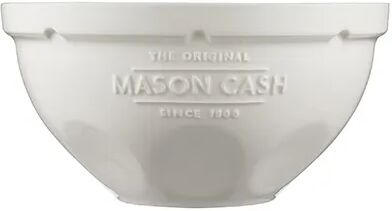
Mason Cash Innovative Kitchen Mixing BowlThis Mason Cash mixing bowl has a capacity of 4 litres and features tilt support in the design and shape of the bowl. As the bowl is tilted, the indents in the outer surface of the bowl provided angled support when mixing and beating the contents of the bowl. The bowl is made from stoneware and is finished with a durable and hard wearing glaze. The Mason Cash mixing bowl is suitable for warming food in the microwave and is dishwasher safe for easy and convenient cleaning.24,50 £*Shipping: 3,50 £Secure redirect to the provider



-
What are classes of vertebrates?
Vertebrates are animals with a backbone or spinal column. There are five main classes of vertebrates: mammals, birds, reptiles, amphibians, and fish. Each class has unique characteristics and adaptations that help them thrive in their respective environments. These classes are further divided into different orders, families, and species based on specific traits and evolutionary history. **
-
What are the two oldest groups of vertebrates that evolved from the early vertebrates?
The two oldest groups of vertebrates that evolved from early vertebrates are the jawless fish, such as lampreys and hagfish, and the cartilaginous fish, including sharks, rays, and skates. These groups are considered some of the most ancient vertebrates and have been around for hundreds of millions of years. Jawless fish are characterized by their lack of true jaws, while cartilaginous fish have skeletons made of cartilage instead of bone. **
-
What is a question about vertebrates?
One question about vertebrates could be: How do the skeletal structures of vertebrates, such as humans, fish, and birds, differ in terms of adaptations for movement and support? **
-
What is the evolution of vertebrates?
The evolution of vertebrates is a complex process that spans hundreds of millions of years. It is believed that vertebrates evolved from a group of ancient invertebrate chordates, with the first vertebrates appearing around 500 million years ago. Over time, vertebrates diversified and evolved into a wide range of species, including fish, amphibians, reptiles, birds, and mammals. This evolution was marked by key innovations such as the development of jaws, limbs, and the ability to live on land. Today, vertebrates are the most diverse group of animals on Earth, with over 65,000 species. **


How did the evolution of vertebrates unfold?
The evolution of vertebrates unfolded over millions of years through a series of key events. It is believed that vertebrates evolved from early chordates, which were simple, fish-like organisms with a notochord. Over time, vertebrates developed more complex features such as jaws, limbs, and a bony skeleton. This allowed them to adapt to various environments and eventually gave rise to the diverse array of vertebrates we see today, including fish, amphibians, reptiles, birds, and mammals. **
Which are the oldest groups of vertebrates?
The oldest groups of vertebrates are jawless fish, which include hagfish and lampreys. These ancient fish have been around for hundreds of millions of years and are considered some of the most primitive vertebrates. They lack true jaws and have a cartilaginous skeleton, distinguishing them from more advanced vertebrates like bony fish, amphibians, reptiles, birds, and mammals. Despite their simple anatomy, jawless fish have managed to survive and adapt to various environments over time. **
Top-Angebote
Products related to Vertebrates:
-
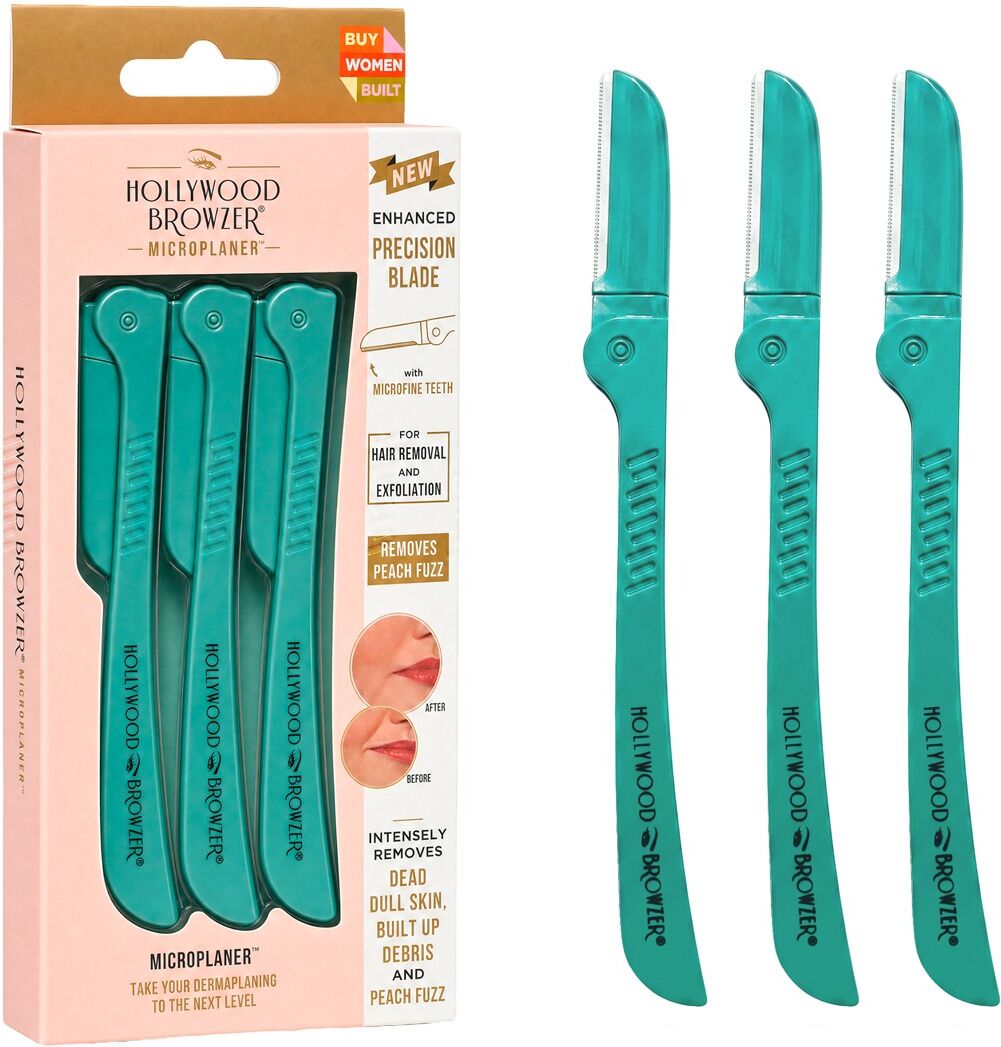
Hollywood Browzer Microplaner - Trio - Transformative TealReady to take your dermaplaning to the next level? The Hollywood Browzer Microplaner - Trio - Transformative Teal features an innovative design with unique microfine teeth surrounding an enhanced precision blade. Engineered specifically for a deeper, more intense exfoliation experience, this sophisticated design gets closer to the skin, offering a deeper and more intense dermaplaning treatment from the comfort of home.Not just a beauty accessory, this trio is the essential first step in any effective skincare routine. By effortlessly removing peach fuzz and dead skin cells, it creates a flawless canvas for makeup application and allows your favorite serums and moisturizers to absorb more effectively. Use anywhere from the face to the body with gentle strokes to experience instant radiance.Each tool in this convenient three-pack lasts up to 3 months, replacing expensive salon treatments with professional, long-lasting results. Perfect for maintaining smooth, glowing skin, this trio delivers incredible value while upgrading your weekly self-care ritual. Discover the ultimate at-home exfoliation and achieve a beautifully smooth, luminous complexion.Key BenefitsFeatures unique microfine teeth and an enhanced precision blade engineered to provide a deep, intense dermaplaning and exfoliation treatment - Acts as an essential first step in your skincare routine by effectively removing peach fuzz and dead skin cells for face and body - Delivers professional, salon-quality results at home with each long-lasting tool providing up to 3 months of use21,95 £*Shipping: 2,95 £Secure redirect to the provider
-
Topicrem Uh Progressive Tan 200mLA skin-care product for dry or dehydrated skin. It a care for sensitive or dry skin looking for a natural tan effect. Nourishes and protects - Beeswax. Suitable for sensitive and dry skin, with a creamy and fluid texture, being absorbed quickly, without leaving spots. Apply at night through a gentle massage.15,12 £*Shipping: 7,11 £Secure redirect to the provider
-
How can the criteria of evolutionary development in vertebrates be demonstrated?
The criteria of evolutionary development in vertebrates can be demonstrated through the study of comparative anatomy, embryology, and genetics. By comparing the anatomical structures of different vertebrate species, scientists can identify similarities and differences that provide evidence of evolutionary relationships. Additionally, studying the embryonic development of vertebrates can reveal shared developmental pathways and structures that point to common ancestry. Finally, genetic analysis can provide insights into the evolutionary history of vertebrates by identifying shared genetic sequences and molecular mechanisms. Together, these approaches help to demonstrate the criteria of evolutionary development in vertebrates. **
-
How have vertebrates evolved?
Vertebrates have evolved over millions of years through a process of natural selection and genetic mutations. They have adapted to various environments by developing specialized traits such as limbs for land movement, wings for flight, and fins for swimming. Vertebrates have also diversified into different species with unique characteristics to better survive and thrive in their respective habitats. Overall, the evolution of vertebrates has been a complex and dynamic process that has led to the incredible diversity of species we see today. **
-
What are classes of vertebrates?
Vertebrates are animals with a backbone or spinal column. There are five main classes of vertebrates: mammals, birds, reptiles, amphibians, and fish. Each class has unique characteristics and adaptations that help them thrive in their respective environments. These classes are further divided into different orders, families, and species based on specific traits and evolutionary history. **
-
What are the two oldest groups of vertebrates that evolved from the early vertebrates?
The two oldest groups of vertebrates that evolved from early vertebrates are the jawless fish, such as lampreys and hagfish, and the cartilaginous fish, including sharks, rays, and skates. These groups are considered some of the most ancient vertebrates and have been around for hundreds of millions of years. Jawless fish are characterized by their lack of true jaws, while cartilaginous fish have skeletons made of cartilage instead of bone. **
Similar search terms for Vertebrates
-
Rueber Innovative Nutrient Nourishing Mask 500mLA hair mask. It a nourishing hair mask rich in amino acids that provides elasticity, vigor, and shine to hair. Its acidic pH protects dry or very dry hair by nourishing and eliminating static electricity. Intensely nourishes and revitalizes dry hair. Improves elasticity and shine. Protects hair structure with an acidic pH.24,01 £*Shipping: 10,02 £Secure redirect to the provider
-
Mason Cash Innovative Kitchen Mixing BowlThis Mason Cash mixing bowl has a capacity of 4 litres and features tilt support in the design and shape of the bowl. As the bowl is tilted, the indents in the outer surface of the bowl provided angled support when mixing and beating the contents of the bowl. The bowl is made from stoneware and is finished with a durable and hard wearing glaze. The Mason Cash mixing bowl is suitable for warming food in the microwave and is dishwasher safe for easy and convenient cleaning.24,50 £*Shipping: 3,50 £Secure redirect to the provider
-
Mason Cash Innovative Kitchen Lasagne DishThe Mason Cash Innovative Kitchen Lasagne Dish is made from stoneware which provides gradual and even heat distribution. A vented base also ensures optimal heat distribution whilst right angled corners and precision sizing accommodate most lasagne sheets without the need to break them down. Steep sides allow for higher layering and help distribute heat evenly. Mason Cash ovenware classics have been given the Innovative Kitchen treatment in this range. Carefully selected materials with innovative features that improve their performance for tastier results. The Mason Cash Innovative Kitchen Lasagne Dish measures H 7.3cm x W 31.5cm x D 20.5cm with a capacity of 2.5 litres.16,10 £*Shipping: 3,50 £Secure redirect to the provider
-
Cybex MIOS 3 Seat Pack - Conscious Onyx BlackDont settle for pushing the same stroller every day - change it to suit your lifestyle with our CYBEX MIOS 3 Seat Packs.. Easily taken on or off the MIOS 3 stroller frame, the seat packs are available in a range of colors and fashion collections,...195,46 $*Shipping: 0,00 $Secure redirect to the provider
-
What is a question about vertebrates?
One question about vertebrates could be: How do the skeletal structures of vertebrates, such as humans, fish, and birds, differ in terms of adaptations for movement and support? **
-
What is the evolution of vertebrates?
The evolution of vertebrates is a complex process that spans hundreds of millions of years. It is believed that vertebrates evolved from a group of ancient invertebrate chordates, with the first vertebrates appearing around 500 million years ago. Over time, vertebrates diversified and evolved into a wide range of species, including fish, amphibians, reptiles, birds, and mammals. This evolution was marked by key innovations such as the development of jaws, limbs, and the ability to live on land. Today, vertebrates are the most diverse group of animals on Earth, with over 65,000 species. **
-
How did the evolution of vertebrates unfold?
The evolution of vertebrates unfolded over millions of years through a series of key events. It is believed that vertebrates evolved from early chordates, which were simple, fish-like organisms with a notochord. Over time, vertebrates developed more complex features such as jaws, limbs, and a bony skeleton. This allowed them to adapt to various environments and eventually gave rise to the diverse array of vertebrates we see today, including fish, amphibians, reptiles, birds, and mammals. **
-
Which are the oldest groups of vertebrates?
The oldest groups of vertebrates are jawless fish, which include hagfish and lampreys. These ancient fish have been around for hundreds of millions of years and are considered some of the most primitive vertebrates. They lack true jaws and have a cartilaginous skeleton, distinguishing them from more advanced vertebrates like bony fish, amphibians, reptiles, birds, and mammals. Despite their simple anatomy, jawless fish have managed to survive and adapt to various environments over time. **
* All prices are inclusive of VAT and, if applicable, plus shipping costs. The offer information is based on the details provided by the respective shop and is updated through automated processes. Real-time updates do not occur, so deviations can occur in individual cases. ** Note: Parts of this content were created by AI.